About
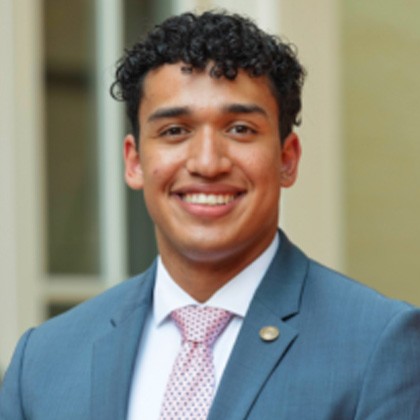
Skye Blanks is Chief Operations Officer of the International Council for Small Business and Director of the ICSB Knowledge Hubs program. Skye is a start-up mentor at Yale’s Tsai Center for Innovative Thinking and holds an MBA from the George Washington University School of Business. With Donald Blanks, Darrin Chandler Sr., and Darrin Chandler Jr., Skye co-founded Premo Cannabis Company in 2022.
In the book
Chapter IX · p. 127 · What this chapter is about
From criminalization to compassion
Human-centered entrepreneurship in the cannabis industry
The people most harmed by the War on Drugs are often locked out of the legal cannabis industry. One Black-owned dispensary shows that putting them first is good business, not charity.
From the chapter“I did not just inherit my father’s vision for Premo; I inherited his framework for understanding what business is for.”
From the opening pages
Premo Cannabis Company, founded in 2022 in Keyport, New Jersey, is, in many ways, a story about fathers and sons and about what one generation owes the next. My father, Donald Blanks, and I joined forces with Darrin Chandler Sr. and Darrin Chandler Jr., who brought expertise from Colorado’s established cannabis market, to build one of the first successful Black-owned recreational dispensaries in New Jersey. However, to understand what Premo is and why it matters, you have to understand what I watched growing up.
I grew up watching my father navigate the intersection of ambition and systemic exclusion. My father had spent decades building businesses and community relationships, understanding from the inside how the American economic system simultaneously invited and obstructed Black entrepreneurship. When cannabis legalization arrived in New Jersey, he did not see a conventional business opportunity. He saw a moral imperative: here was an industry built on the criminalization of communities like our own, now suddenly legal and lucrative, and the people most harmed by its prohibition were being systematically locked out of its benefits.
Excerpt shown with permission of Edward Elgar Publishing.
Selected work
2027“From criminalization to compassion”, Human-Centered Entrepreneurship, Edward Elgar
Last updated · November 2026
 Contributor · Chapter IX