Chapter One
Five ideas to carry with you
{{pg.lead}}
{{pg.bold}}
{{pg.big}}
— {{pg.sign}}
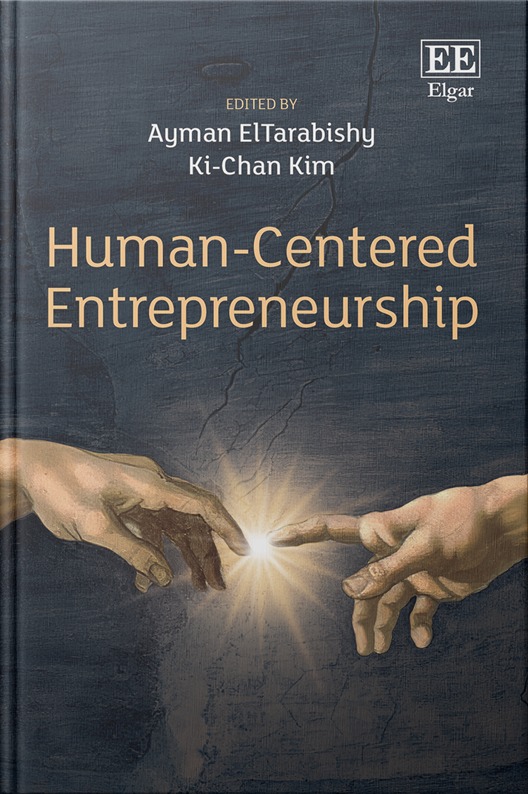
Human-Centered Entrepreneurship
ElTarabishy & Kim · Edward Elgar
Chapter 1
Ayman ElTarabishy, Ki-Chan Kim, and Ricky Celenta
What this chapter is about
The organizations that put people at the center did not just perform better. They endured.
From the book · the opening pages
Chapter One
Only 33 percent of adults, based on the median across countries surveyed globally by Gallup, are thriving. In this context, thriving means believing that life is going well today and that the future will be even better. By this measure, barely one-third of adults reach that threshold. Work tells a similar story. Gallup’s earlier research found that only 27 percent of adults held what researchers define as a real job: stable employment of at least 30 hours per week with an employer. Even among those working, only 21 percent report being genuinely engaged in their work.
These statistics represent lived realities. A 54-year-old factory supervisor in Ohio who has worked for 30 years and cannot name a single thing about his job that matters to him. A 28-year-old graduate in Cairo with a degree she cannot use, applying for the hundredth position and never hearing back. A 19-year-old in Jakarta juggling three temporary jobs just to make ends meet, without steady employment, a sense of belonging, or a clear path toward a secure future. A 67-year-old entrepreneur in Buenos Aires who built something real and now watches her grandchildren refuse to join because they cannot see a future for themselves in it. These are not statistical abstractions. They are the human reality behind the numbers, and the reason this book exists.
Behind the statistics lies something deeper: the quiet erosion of hope. By any honest measure, these people are not thriving. Let us call it what it is. Economic growth has expanded. Human flourishing has not.
The two-minute version
The chapter calls these the Three E’s. Try them in any order, then in the right one.
{{msg}}
Try it on yourself
The chapter’s Four States are positions, not labels. Two questions place you on the map. A moment of reflection, not a formal assessment.
Answer two questions
{{q.text}}
{{q.hint}}
Or tap the state that sounds most like your workplace.
{{pick.name}} state · what the chapter says
{{pick.says}}
One thing to do next
{{pick.next}}
Chapter One
{{pg.lead}}
{{pg.bold}}
{{pg.big}}
— {{pg.sign}}
Turn the page

From page to policy
Ideas about people at the center belong in the rooms where policy is made.
Presenting Korean entrepreneurship at the US Congress.
About the authors
The co-editors
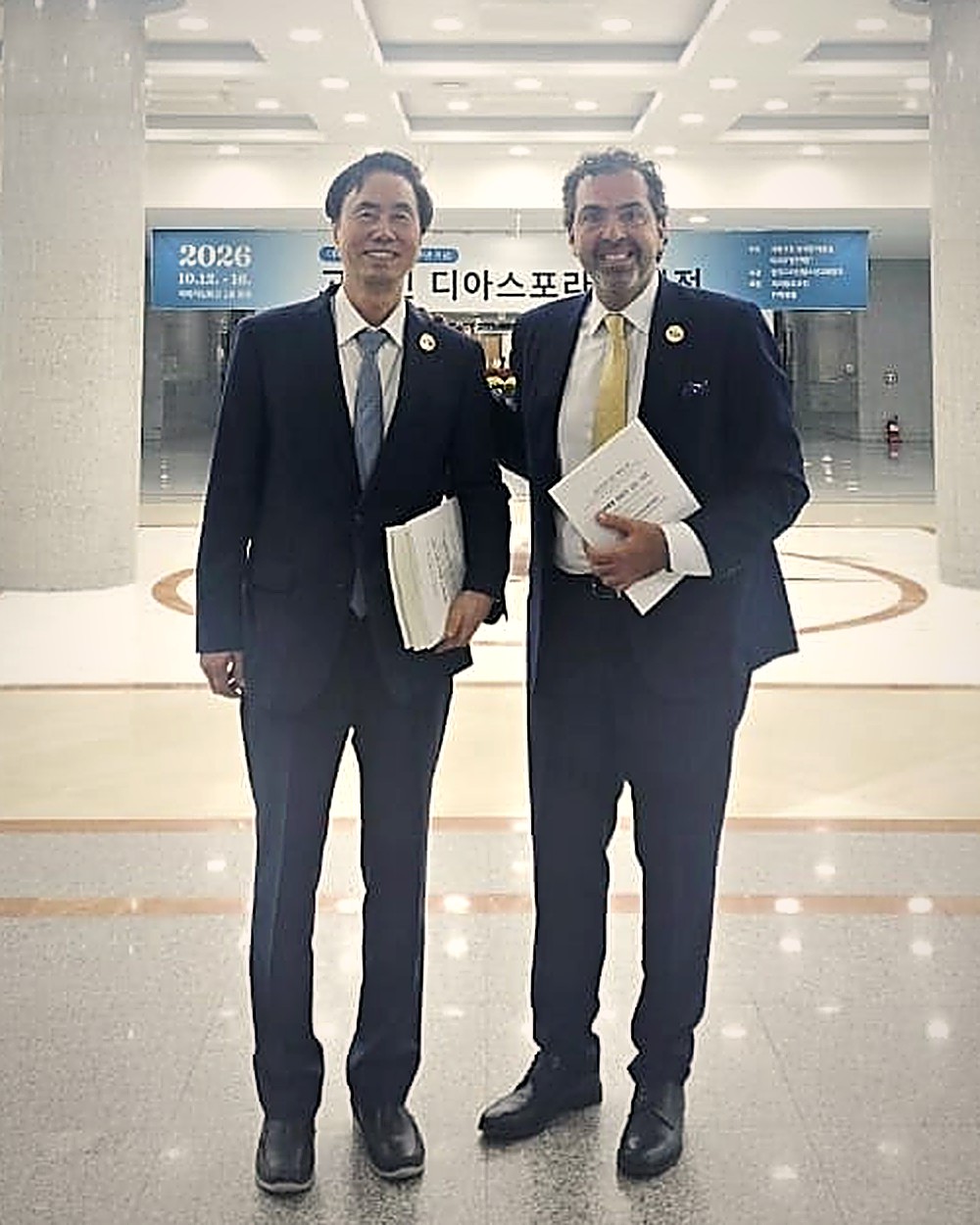
Two of the chapter’s authors, and the editors of the book.
Ayman ElTarabishy and Ki-Chan Kim at the National Assembly of Korea, October 2026.
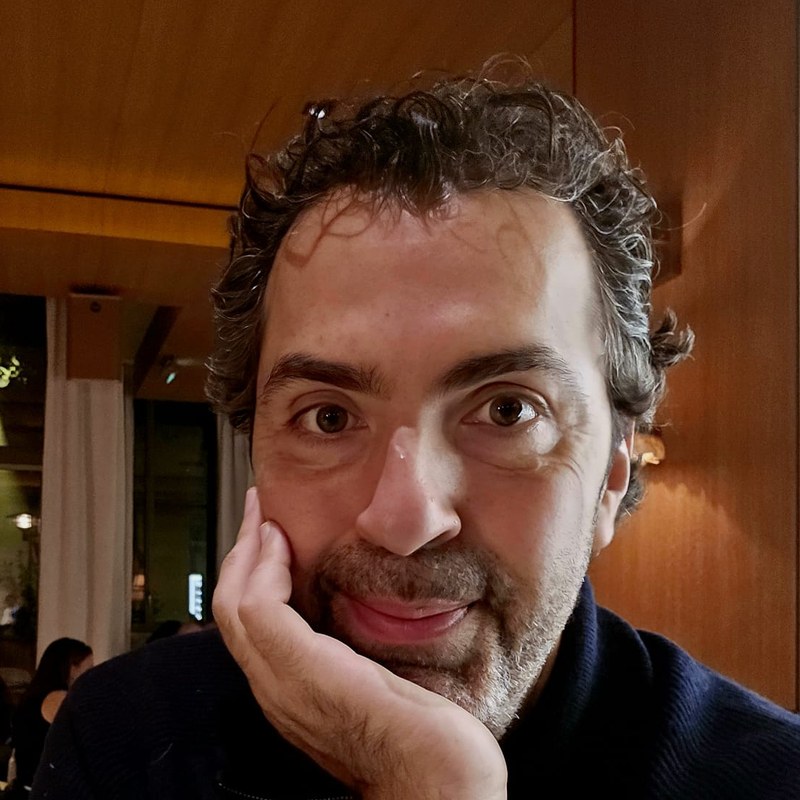
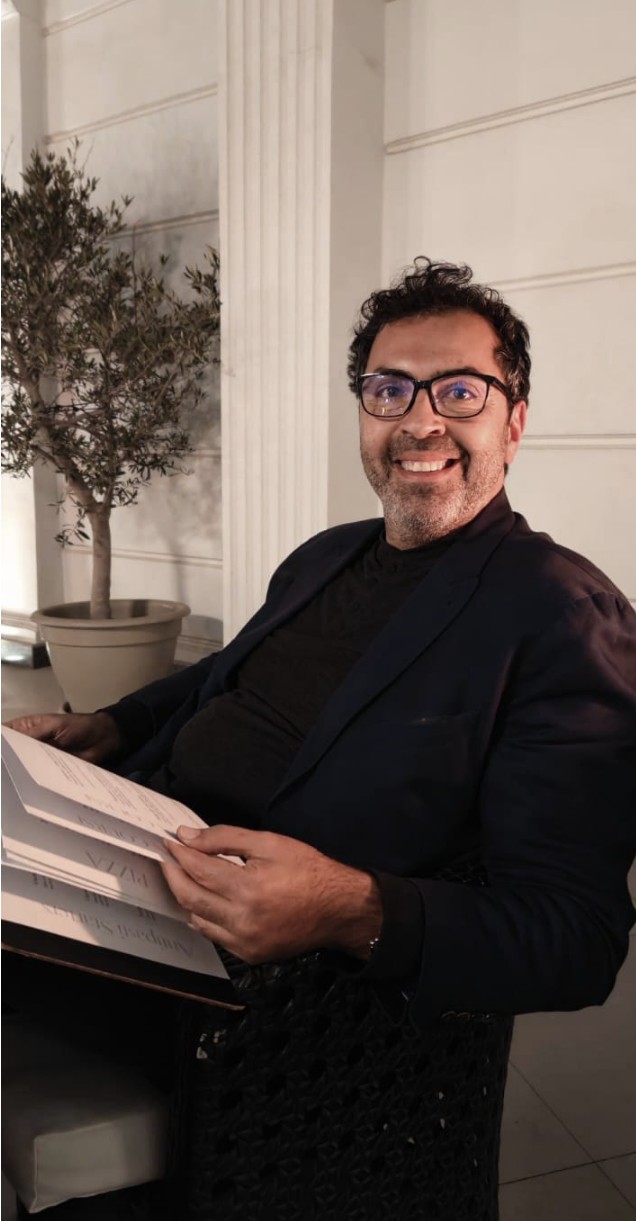
President and CEO, ICSB · Teaching Professor of Management, George Washington University School of Business
Ayman ElTarabishy is President and CEO of the International Council for Small Business and Editor-in-Chief of the Journal of Small Business Management. With Ki-Chan Kim, he co-founded the theory of human-centered entrepreneurship, and he co-edited this book. He led the creation of UN MSMEs Day, observed every June 27.
Full author profile
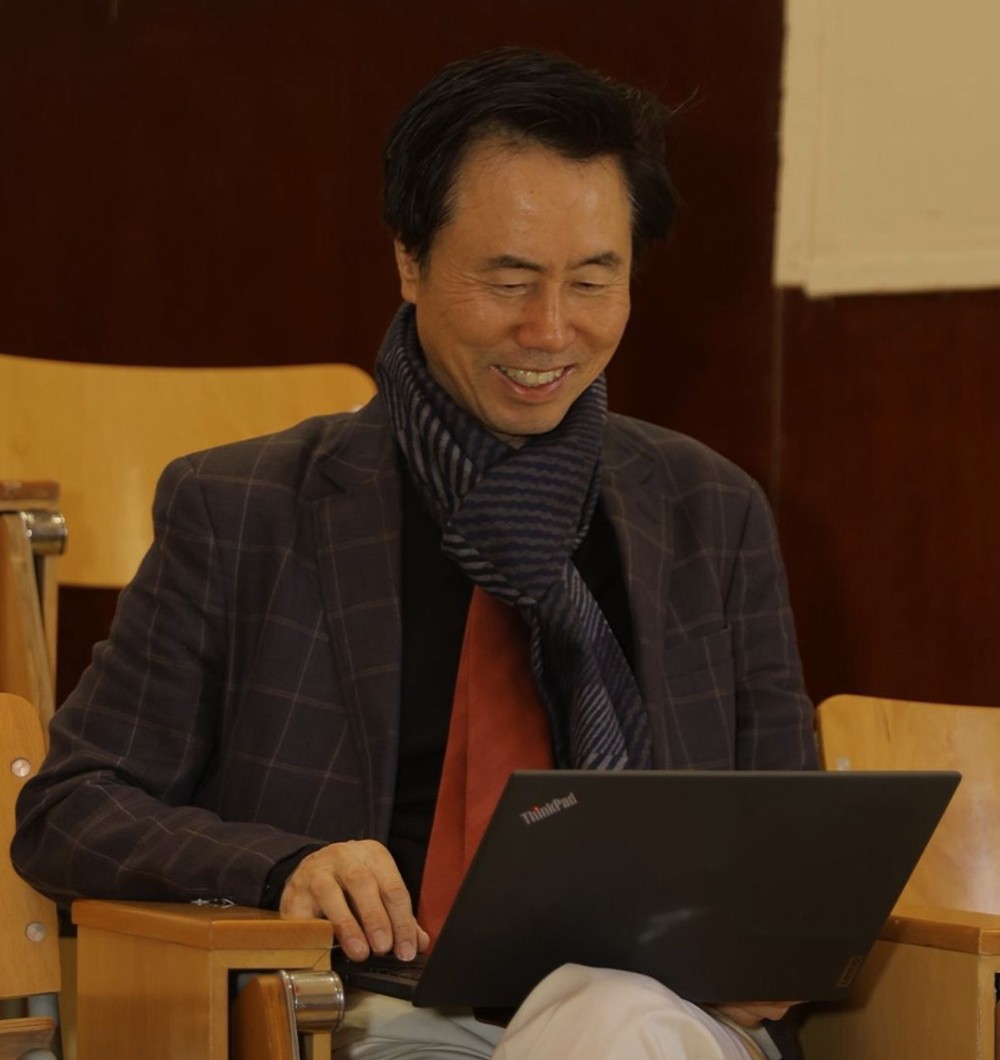
Professor of Business Administration, The Catholic University of Korea
Ki-Chan Kim is Professor of Business Administration at The Catholic University of Korea in Seoul. With Ayman ElTarabishy, he co-founded the theory of human-centered entrepreneurship, and he co-edited this book.
Full author profile [to come]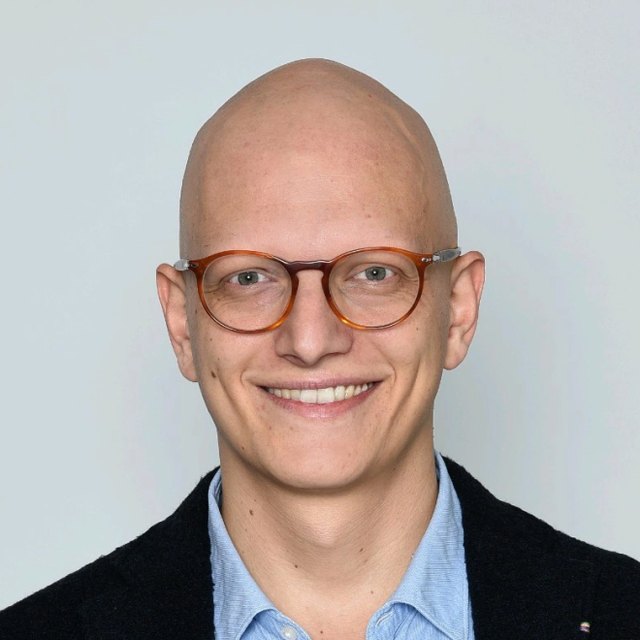
Postdoctoral Researcher in Social Entrepreneurship, Copenhagen Business School
Ricky Celenta is a Postdoctoral Researcher in Social Entrepreneurship in the Department of Management, Society and Communication at Copenhagen Business School. The research focuses on how social enterprises scale and on corporate entrepreneurship as a driver of sustainable innovation. Ricky Celenta is also Project Manager of the seizmic Doctoral Network, an MSCA-funded program.
Full author profile [to come]Where to go next
Beyond the Chapter
The printed text stays as written. New research, videos, and cases from the authors appear here, dated and reviewed by the editors.
No updates yet.
For discussion
ElTarabishy, A., Kim, K.-C., & Celenta, R. (2027). Human-centered entrepreneurship: From ancient wisdom to modern practice. In A. ElTarabishy & K.-C. Kim (Eds.), Human-Centered Entrepreneurship (pp. 1–17). Edward Elgar Publishing.