Social enterprise
Legacy is not sentiment; it is strategy.
Ventures anchored in community build deeper trust and last longer.
Chapter 16
African proverb · the chapter’s epigraph
By 2050, 2.1 billion people will be 60 or older. That is 2.1 billion libraries.
Figure: World Health Organization (2024), as cited in the chapter.
Too late to start?
{{age}}
Closest founder
{{founder.name}}, {{founder.age}}
{{founder.what}}
The evidence at your age
{{fact.stat}}
{{fact.text}}
{{fact.src}}
Founder ages and figures as given in the chapter.
2.1 bn
people aged 60+ by 2050, up from 1 billion (WHO, 2024)
$22 tn
the global longevity economy (Golden, 2022)
3×
as likely to bring a market novelty: late-career founders with managerial experience (Azoulay et al., 2020)
40%+
of employees 40 and over report recent age discrimination (AARP, 2022)
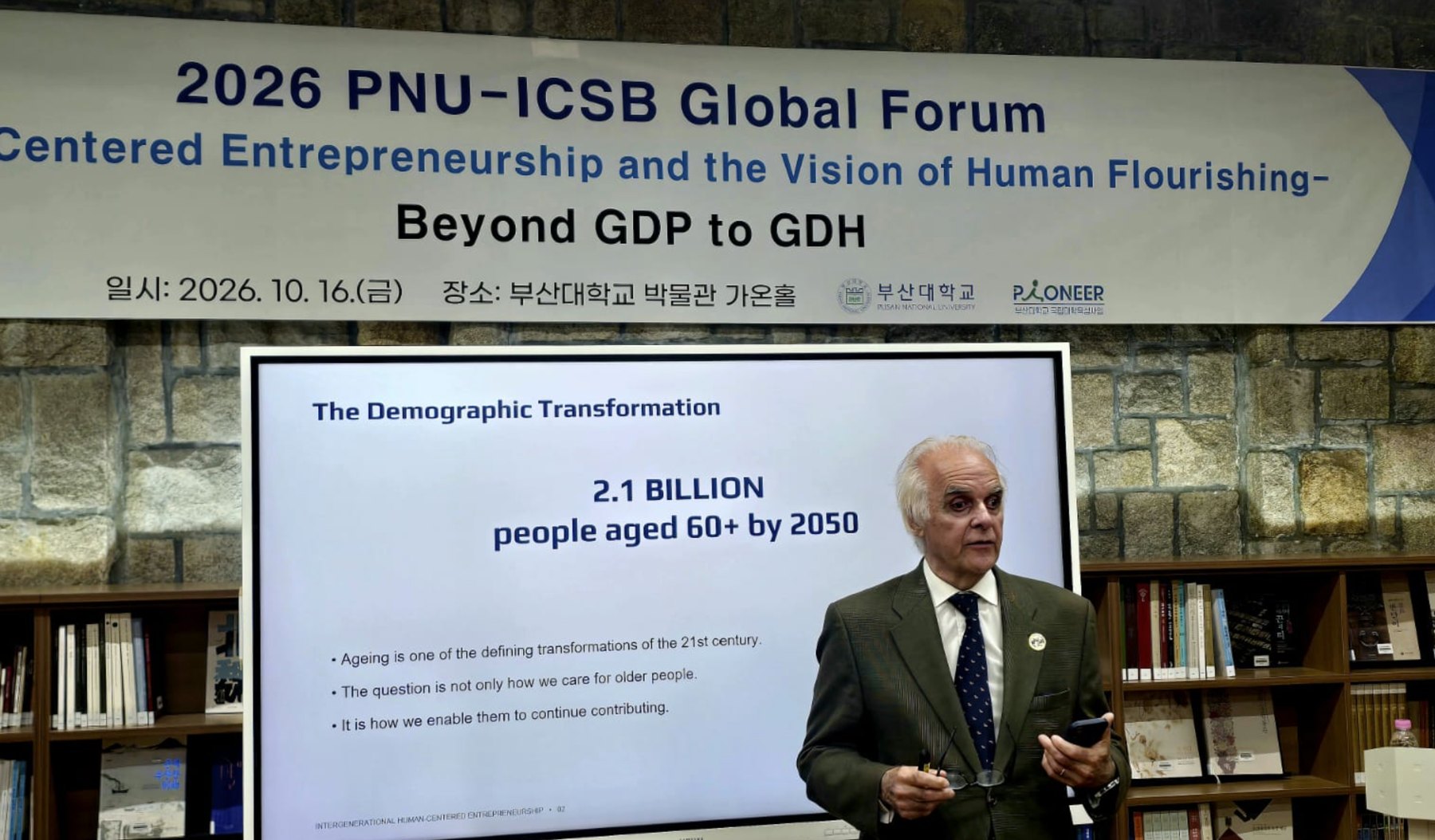
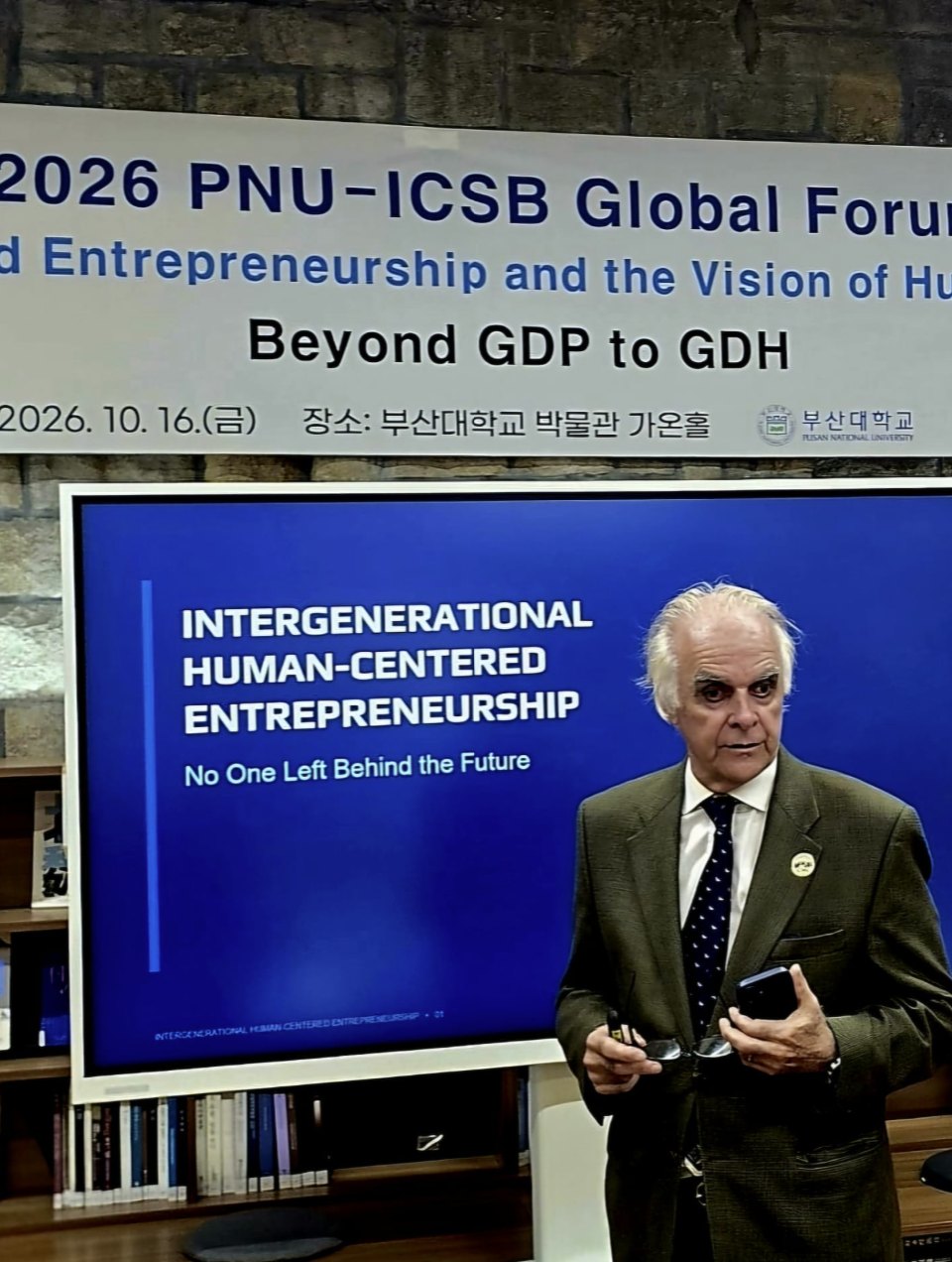
In the room · Busan
“The question is not only how we care for older people. It is how we enable them to continue contributing.”
From his slide “The demographic transformation,” 2026 PNU-ICSB Global Forum, Pusan National University, October 16, 2026.
From the opening pages
Consider the older adults in your life, perhaps your grandparents, your parents, or even yourself. Are they burdens requiring care, or experienced individuals with valuable knowledge? Too many societies default to the first view, and that is a costly mistake. As the African proverb reminds us, when an elder dies, a library burns to the ground, a powerful reflection of the knowledge, memory, and wisdom we stand to lose.
Age brings lived experience, judgment, and a deep understanding of how to navigate uncertainty and complexity. A more human-centered approach recognizes older people not as dependents, but as essential contributors to families, organizations, and society.
On April 3, 2025, the United Nations Human Rights Council adopted Resolution 58/13, supported by 81 Member States across all regional groups. This resolution established an open-ended intergovernmental working group to elaborate and submit a draft international, legally binding instrument on the human rights of older persons. It represents the culmination of 15 years of negotiations that began with the creation of the UN Open-Ended Working Group on Ageing in 2010, which Argentina initiated. I had the privilege of architecting and leading this effort as Argentina’s permanent representative to the UN and Chair of the working group from 2016 to 2020.
This milestone occurred in the same context as UN General Assembly Resolution 71/279 of April 6, 2017, which designated June 27 as Micro-, Small and Medium-Sized Enterprises Day (UN General Assembly, 2017). That resolution recognized the importance of MSMEs in achieving the Sustainable Development Goals, particularly in promoting innovation, creativity, and decent work for all. The International Council for Small Business (ICSB), led by Ayman ElTarabishy, the architect of that earlier resolution, recognized this convergence and successfully advocated for entrepreneurship’s critical role in advancing human rights.
Keep reading in the book → · Excerpt shown with permission of Edward Elgar Publishing.
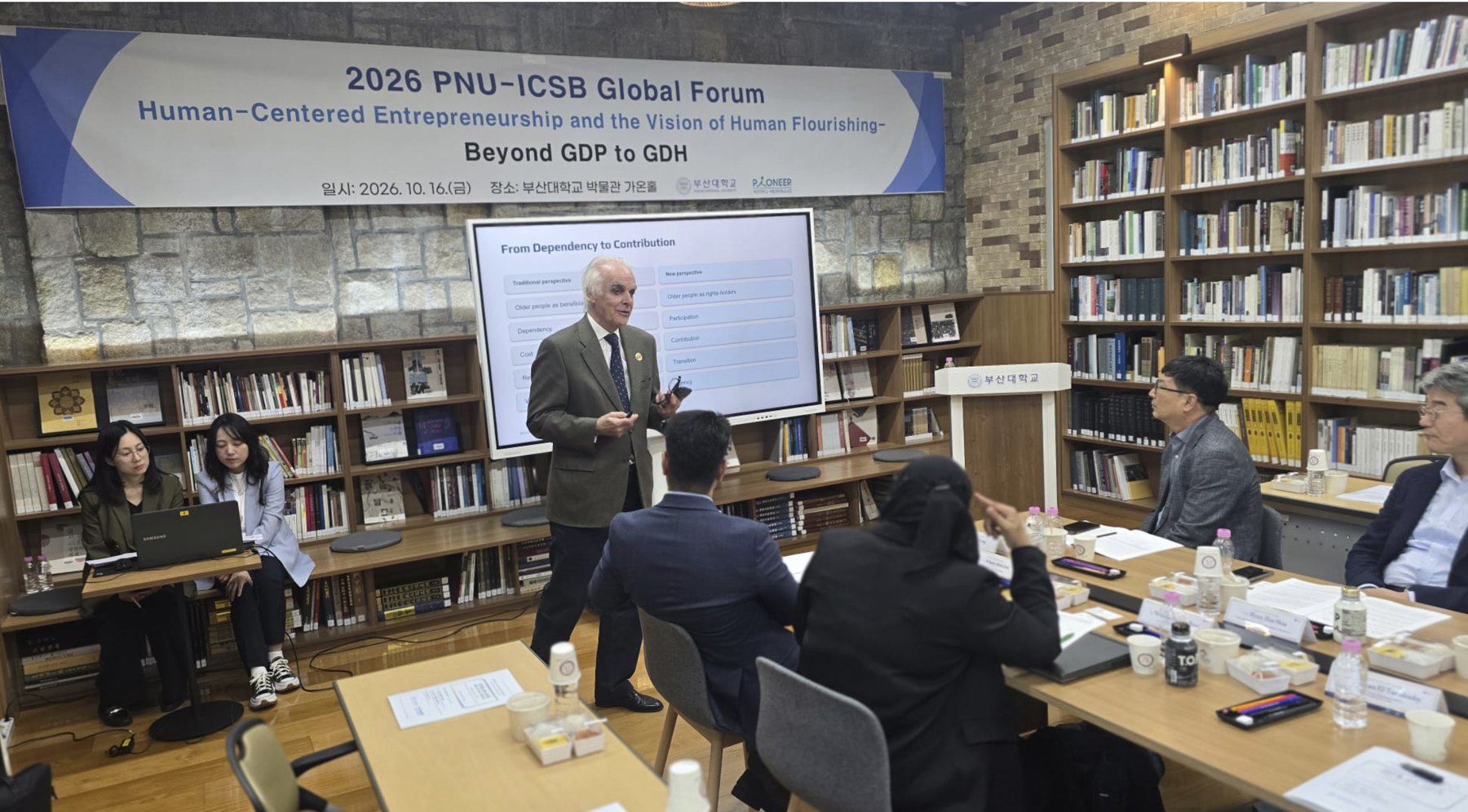
In the room · Busan
From dependency to contribution.
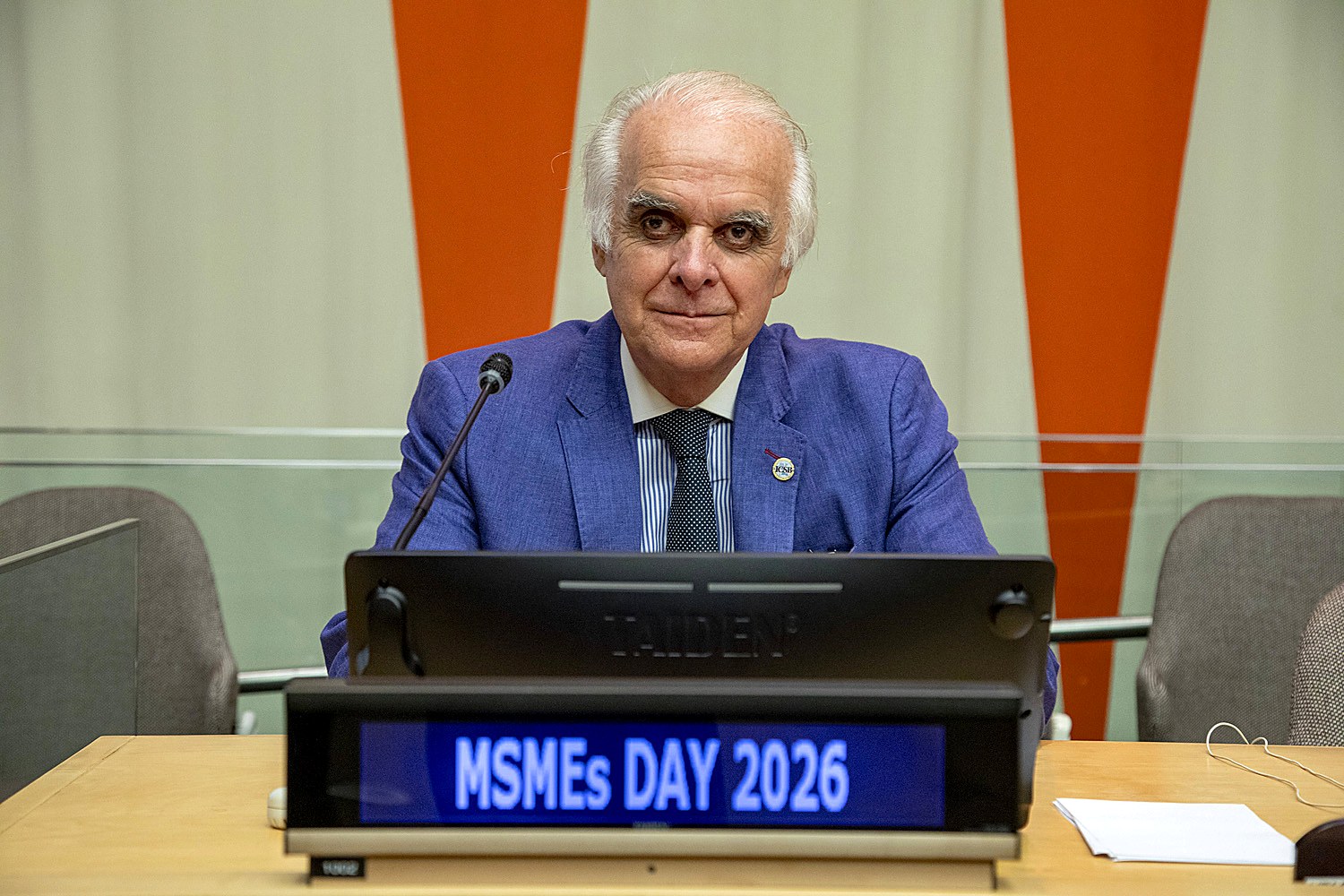
Presenting to the forum participants in Busan, October 2026: older people as rights-holders, participants and contributors.
Age myths, answered
Multiplicative discrimination
No one has to dislike older people for them to be shut out. Two everyday rules, each one neutral on its own, are enough.
Rule 1 · The bank
The loan officer has nothing against older applicants. But the bank’s risk model marks careers with changes or breaks as risky, and penalizes longer payback timelines.
Rule 2 · The startup accelerator
The program never says “too old.” But its growth and runway math assumes every founder has about 25 working years ahead.
The result: exclusion
Each rule looks fair alone. Together they shut older founders out. The chapter calls this multiplicative discrimination: not the sum of prejudices, but the product of systems never designed with older adults in mind.
Why it matters: anti-bias training fixes people. This problem lives in the rules, so the rules themselves have to change.
The realization deficit
Illustrative. The striped space is what the chapter calls the realization deficit: the disparity between rights proclaimed in law and rights exercised in practice.
Inside the negotiation
“I had the honor of serving as Chair of the working group from 2016 to 2020, witnessing the world slowly change its mind about older adults.”
Martín García Moritán, Argentina’s Permanent Representative to the UN
Several major powers opposed a convention, among them the United States, most of the European Union, Japan, China and India. The working group answered every objection through education rather than confrontation.
How HCE closes the gap
What works
Legacy is not sentiment; it is strategy.
Ventures anchored in community build deeper trust and last longer.
Built in from the start, not added later.
eCaregivers strengthened how people already worked instead of replacing it.
Empowerment made structural.
Networks and judgment from one generation, digital fluency from the next, authority shared by design.
Japan
Silver Human Resources Centers: 700,000+ people, 1,300+ local centers
United States
AARP’s Work for Yourself@50: recognition, not remediation
The Americas
The Inter-American Convention, a compass for credit and licensing reform
Stanford
The Distinguished Careers Institute: those studying the transition are living it

What we count now
Participation · access to lending · jobs created
What we should count too
Dignity · autonomy · meaningful participation · generations working together
Chapter Sixteen
{{pg.lead}}
{{pg.big}}
{{pg.sign}}
Turn the page
About the author
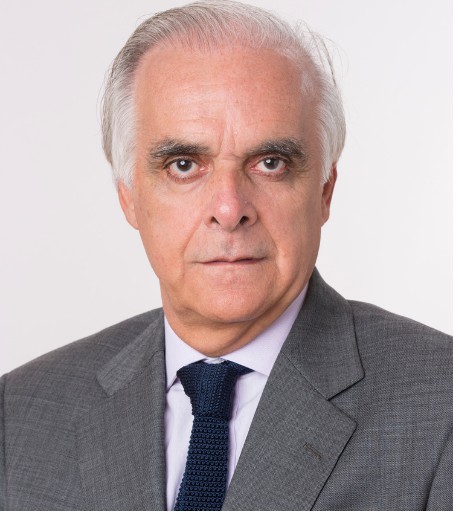
Career diplomat, Argentine Foreign Service · Former Permanent Representative of Argentina to the United Nations
Martín García Moritán has served in the Argentine Foreign Service since 1983 and became Argentina’s Permanent Representative to the United Nations in 2016. As Chair of the UN Open-Ended Working Group on Ageing from 2016 to 2020, he led the negotiations that culminated in Human Rights Council Resolution 58/13. He was a promoter of the Inter-American Convention on the Protection of the Human Rights of Older Persons, and holds a law degree from the Universidad de Buenos Aires and a graduate degree in international affairs from the University of Madrid.
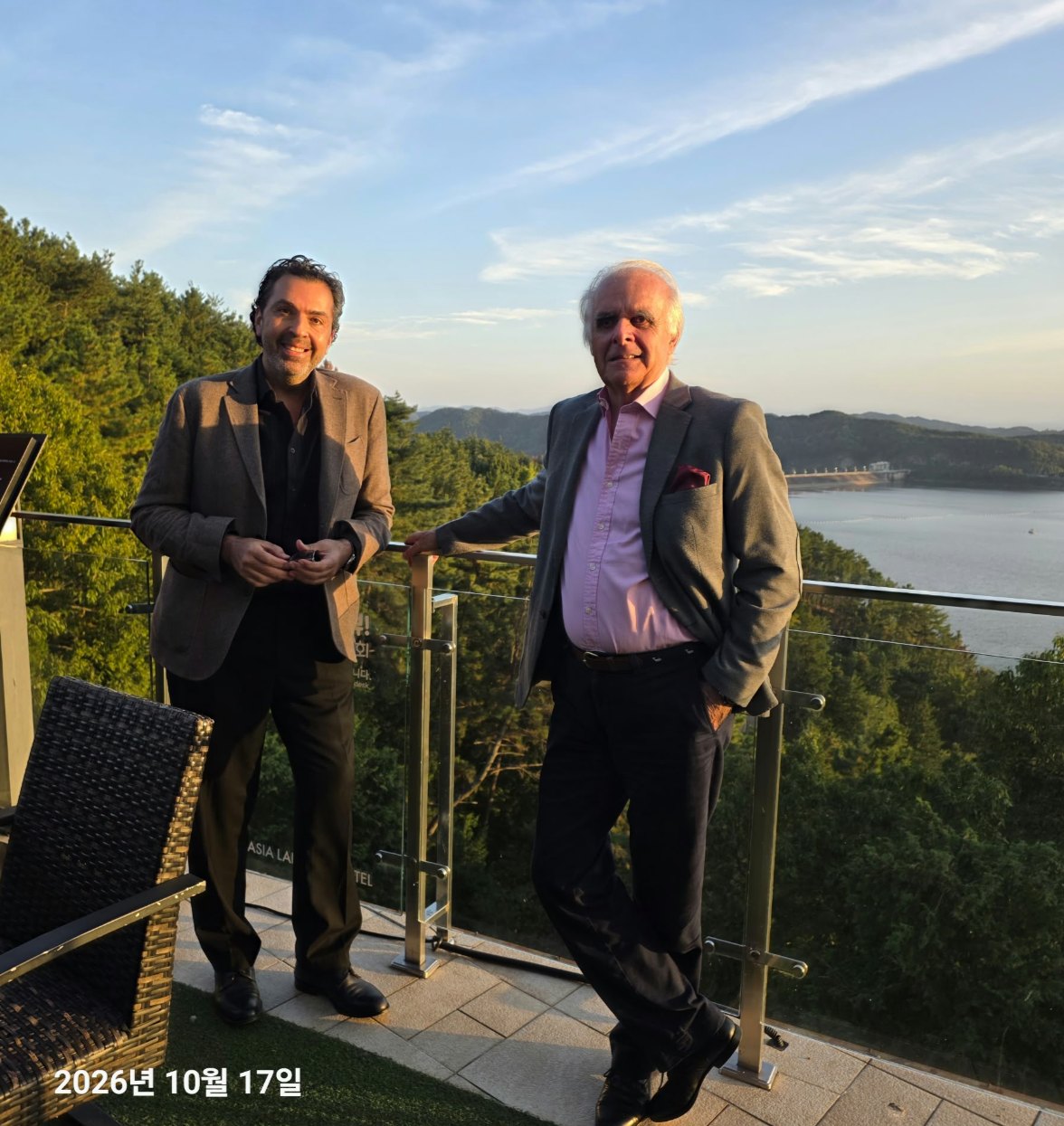
Korea · October 17, 2026
The day after the Busan forum.
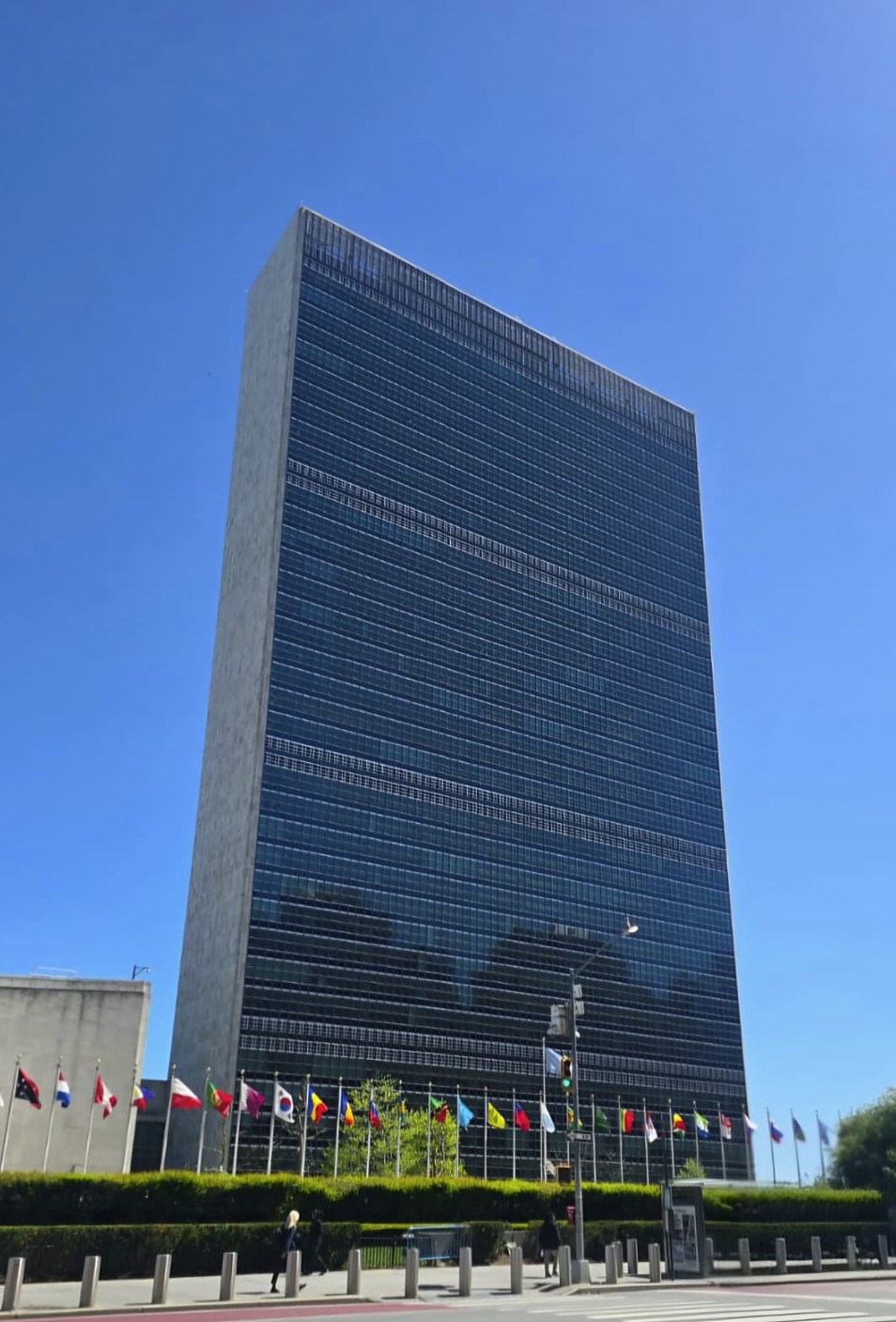
The ideas in this chapter travel: from the UN in New York to forums in Busan and Jinju.
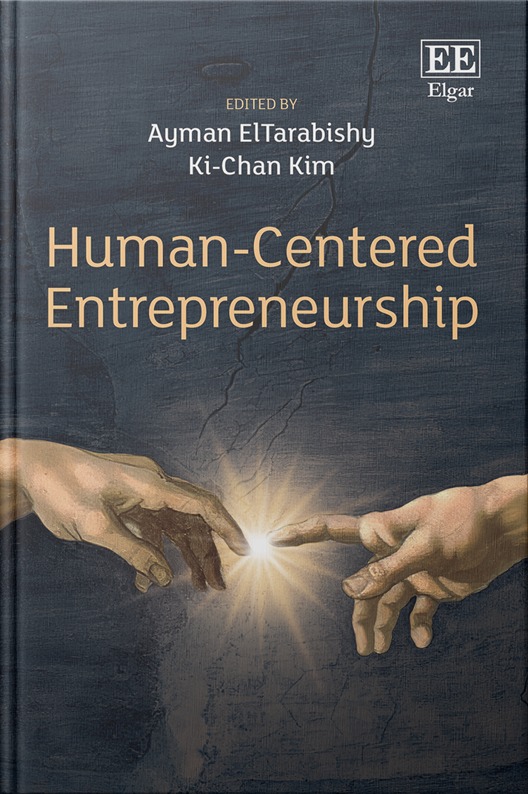
García Moritán, M. (2027). Human rights of older adults: A human-centered entrepreneurship approach to active aging. In A. ElTarabishy & K.-C. Kim (Eds.), Human-Centered Entrepreneurship (pp. 229–242). Edward Elgar Publishing.
Book DOI 10.4337/9781035350698 · Chapter DOI available at publication