01
If you are leading a turnaround.
You’ll see a CEO who started with trust, not cost-cutting, and took a last-place firm to the top tier.
“The task of leadership is not to put greatness into people, but to elicit it, for the greatness is there already.”
01
If you are leading a turnaround.
You’ll see a CEO who started with trust, not cost-cutting, and took a last-place firm to the top tier.
02
If you work in a mature, regulated industry.
You’ll see entrepreneurial culture thrive where it supposedly can’t.
03
If you want the sequence, not just the principles.
You’ll see why Empathy comes first, Enablement second, and Empowerment third.
Why organizations fail
By 2020 DGB was stuck in a vicious cycle. Losses led to cuts, cuts led to low morale, and low morale led to more losses. Kim did not just break the loop. He reversed it.
{{cy.note}}
From the book · a different first question
Into this crisis stepped Kim Seong-han, a 30-year insurance industry veteran whose previous career at Kyobo Life Insurance, one of Korea’s largest and most respected insurers, had provided deep technical expertise and strategic perspective. But Kim brought something more significant than conventional industry knowledge: a fundamentally different philosophical approach to leadership that would reshape every aspect of DGB’s operations. His approach, which he termed “humane management,” aligned precisely with HCE principles. Rather than beginning with cost-cutting, restructuring, or strategic repositioning, the standard turnaround playbook, Kim started with a different question: How do we build an organization where people want to give their best?
Kim embodied what he called the Nokmyeong philosophy within the organization. Derived from the Chinese classic Shijing (Book of Songs), Nokmyeong refers to the cry of a deer when it discovers food, a sound that calls other deer to share in the find. This behavior symbolizes natural empathy grounded not in competition but in mutual sharing and understanding. The philosophy challenged the zero-sum thinking that had dominated DGB’s culture, where one person’s success was implicitly another’s failure. Kim used this imagery repeatedly in communications, modeling, and organizational design to establish a fundamentally different cultural assumption: at DGB, we succeed together or not at all.
The order matters
Each step made the next one possible. Choose a step to see what DGB did and what it produced.
What DGB did
{{st.big}}
{{st.t}}
{{sel.why}}
The sharpest finding
Each month, every manager and team leader stayed out of the office for set days. The chapter’s conclusion: the bosses’ presence was not neutral. It was holding innovation back.
99.2%
of planned work completed without managers
89%
of team decisions matched what managers would have chosen
74%
felt more comfortable deciding on their own
+40%
more innovative solutions than on supervised days
Table 11.2, made interactive
{{m.label}}{{m.v}}
{{m.note}}
91.7%
contract retention at the 13th installment, the highest in Korean insurance
200+
employee-driven process improvements in two years
First
Korean insurer to launch an AI-operated variable annuity
87%
of employees feel safe to disagree
Source: DGB Life Insurance internal reports (2020, 2024), as reported in Table 11.2. Bars are scaled within each measure.
Table 11.1, as a map
Most turnarounds fix one axis. DGB moved on both at once: from caring little and risking little to caring a lot and daring a lot.
Inside the turnaround
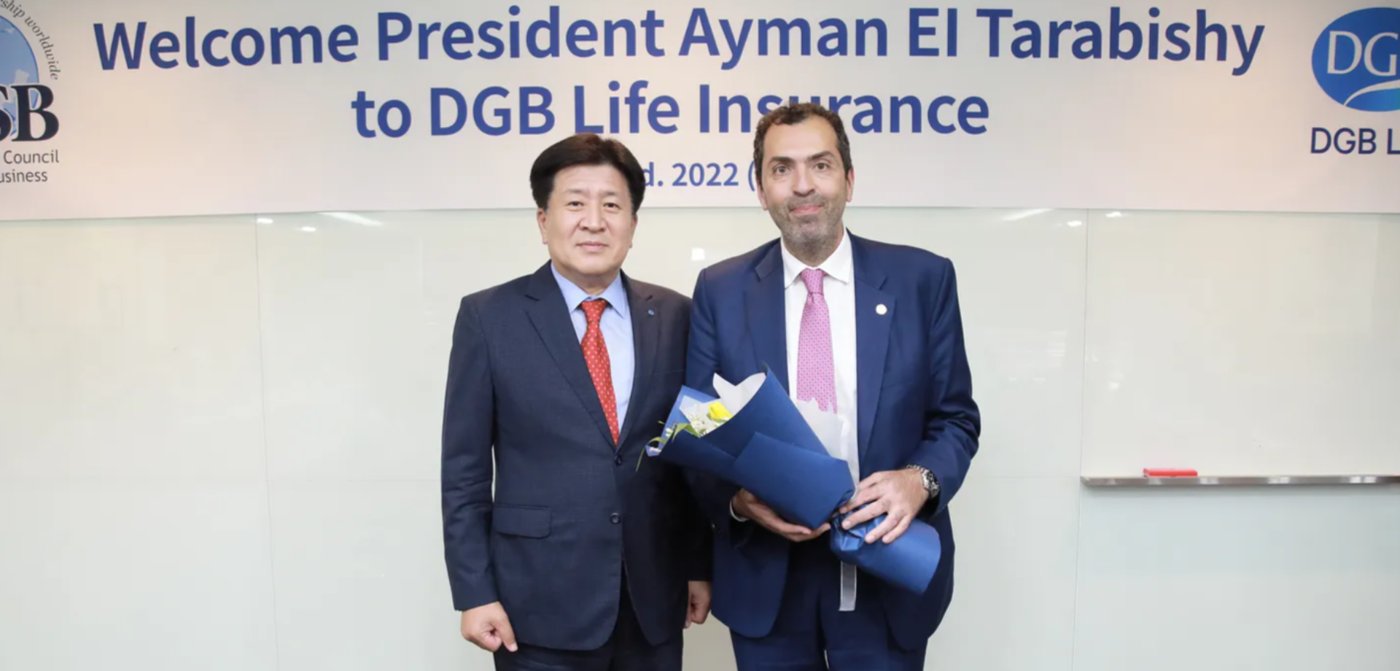
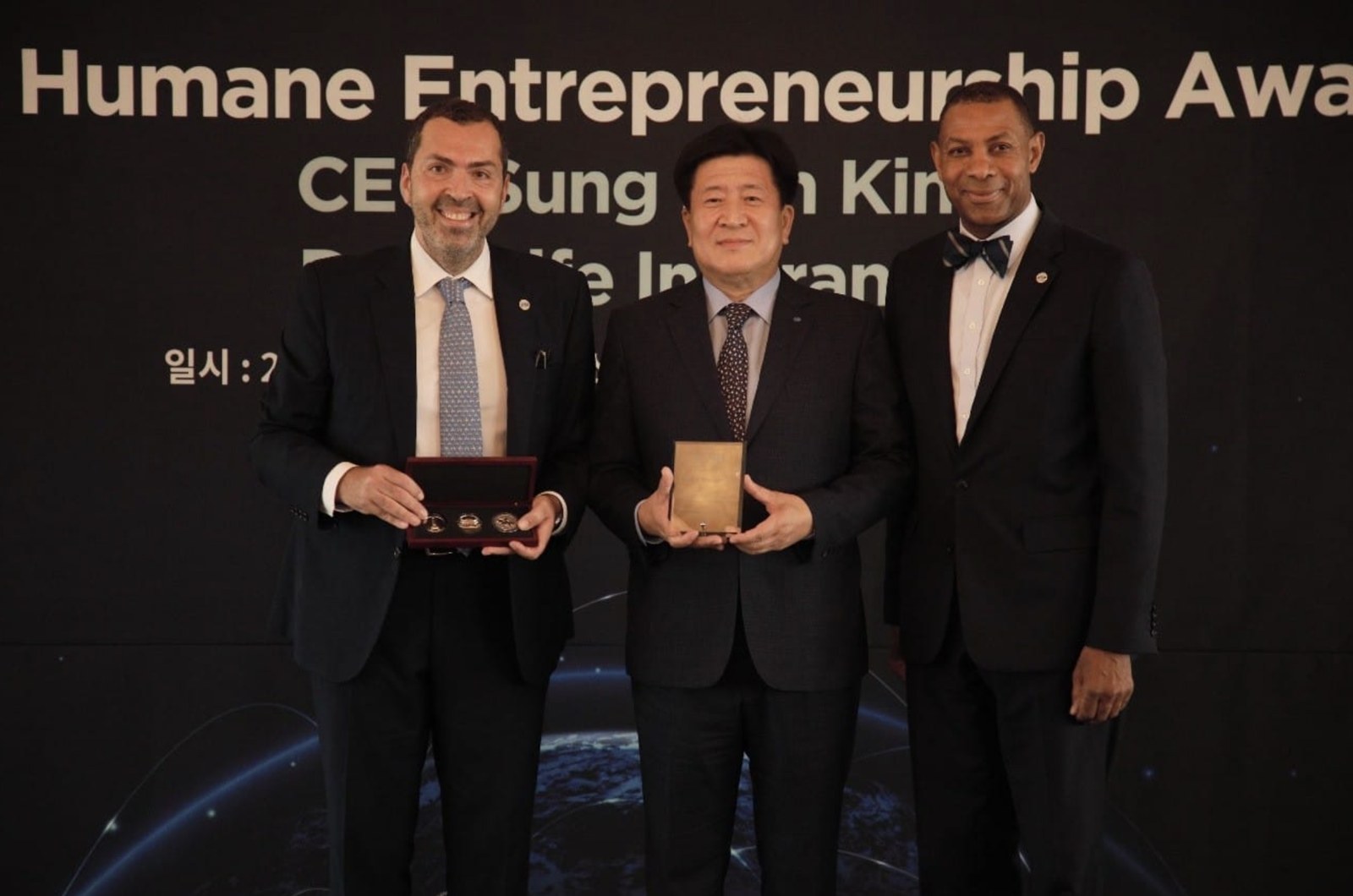
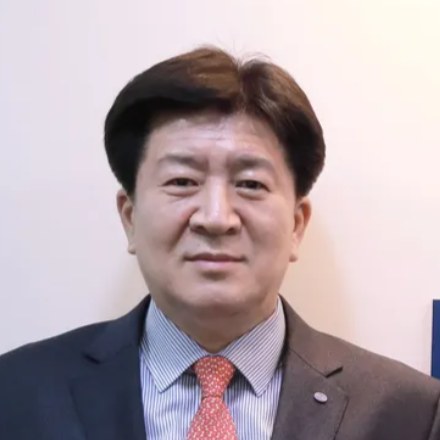
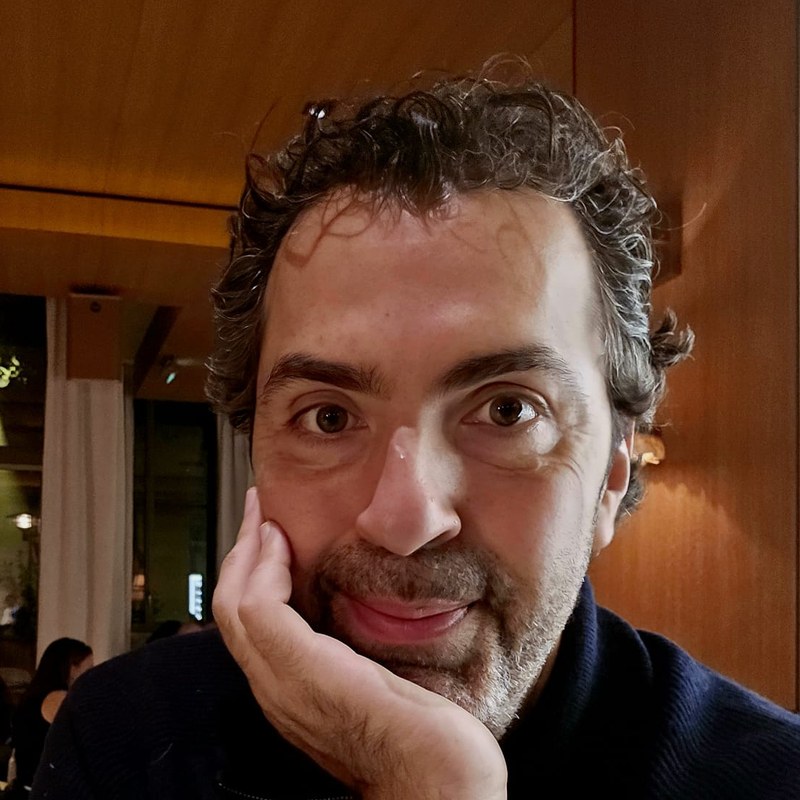
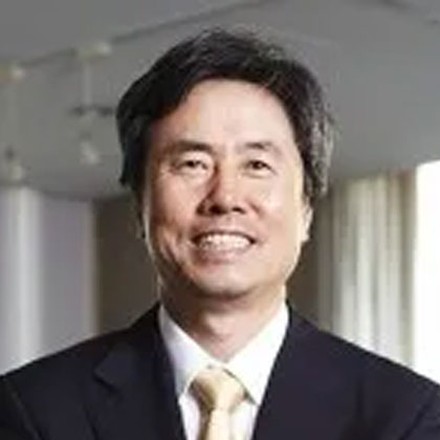
This chapter is written from inside the case. Kim Seong-han, the former CEO who led the change, co-wrote it with the two scholars who founded human-centered entrepreneurship.
Lessons learned
01
Rebuild trust before restructuring anything. A culture has to unfreeze before it can change.
02
Learning was a precondition for results, not a reward for them.
03
Thresholds, Leader-Free Days, and open promotions put real authority in writing.
04
Empathy without Enablement is sentiment. Enablement without Empowerment is frustration. Empowerment without Empathy is anxiety.
05
A mature, commoditized market did not stop entrepreneurial culture. The limit was the human foundation.
Chapter Eleven
{{pg.lead}}
{{pg.bold}}
{{pg.big}}
— {{pg.sign}}
Turn the page
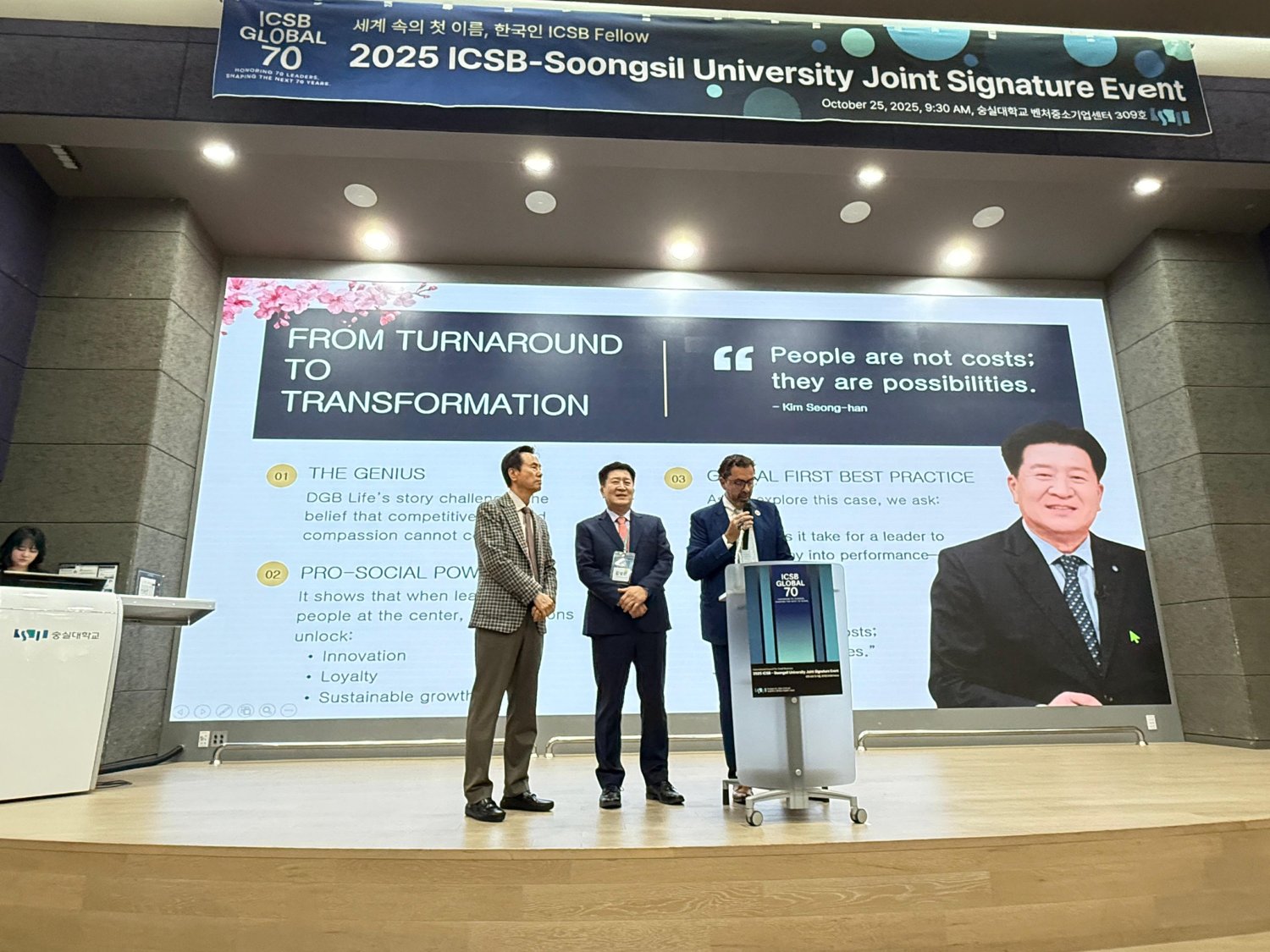
“People are not costs. They are possibilities.”
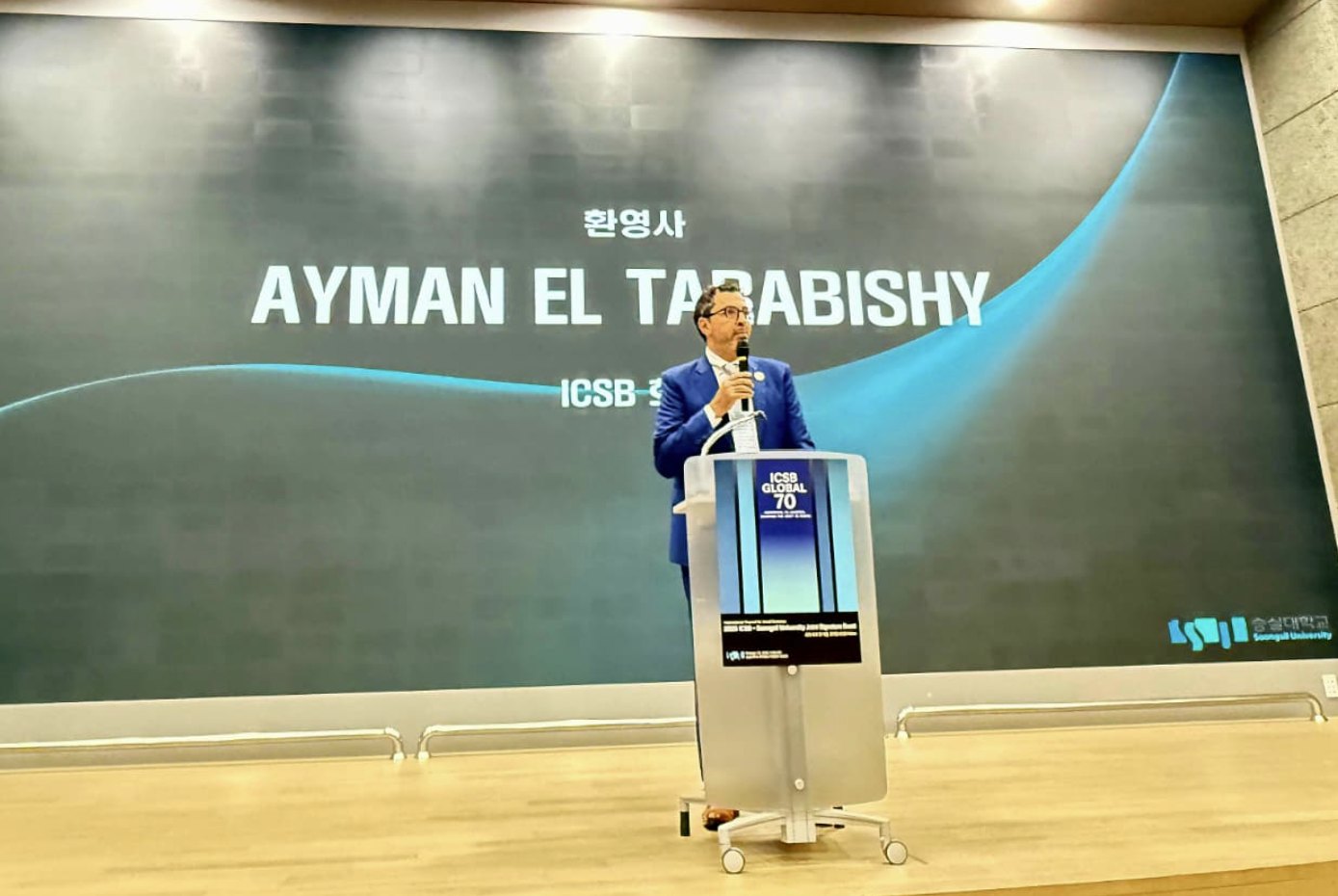
Welcome remarks
The case goes back to the room it came from.
Ayman ElTarabishy gives welcome remarks at the 2025 ICSB–Soongsil University Joint Signature Event, Seoul.
About the authors
{{a.role}}
{{a.bio}}
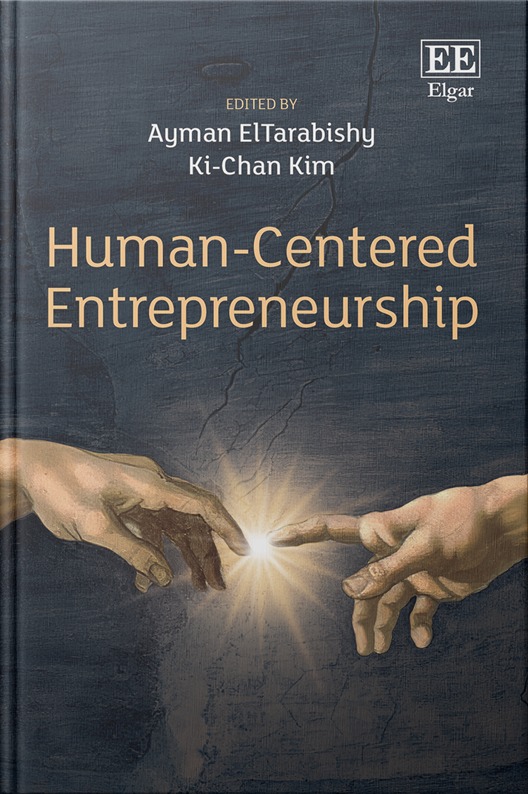
ElTarabishy, A., Kim, K.-C., & Kim, S. (2027). From last to first: Human-centered entrepreneurship and organizational transformation in the Korean insurance industry. In A. ElTarabishy & K.-C. Kim (Eds.), Human-Centered Entrepreneurship (pp. 160–178). Edward Elgar Publishing.