Chapter Twelve
Five ideas to carry with you
{{pg.lead}}
{{pg.bold}}
{{pg.big}}
— {{pg.sign}}
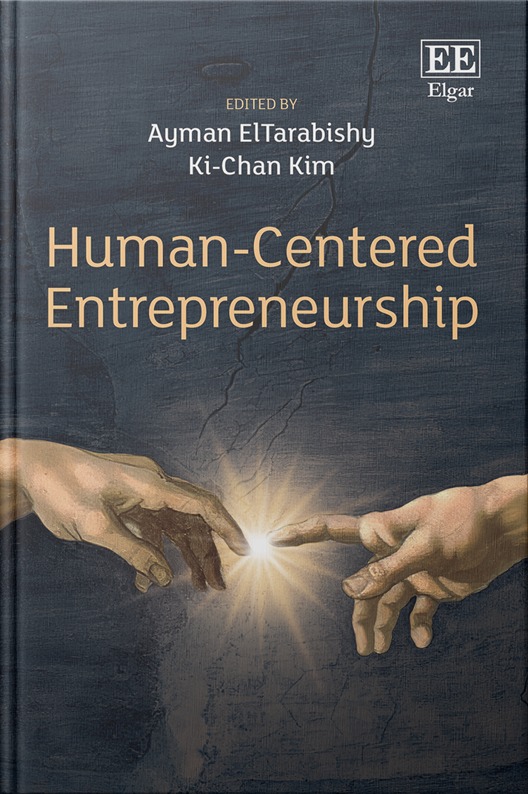
Human-Centered Entrepreneurship
ElTarabishy & Kim · Edward Elgar
Chapter 12
Ayman ElTarabishy, Ki-Chan Kim, and Oh Joon
What this chapter is about
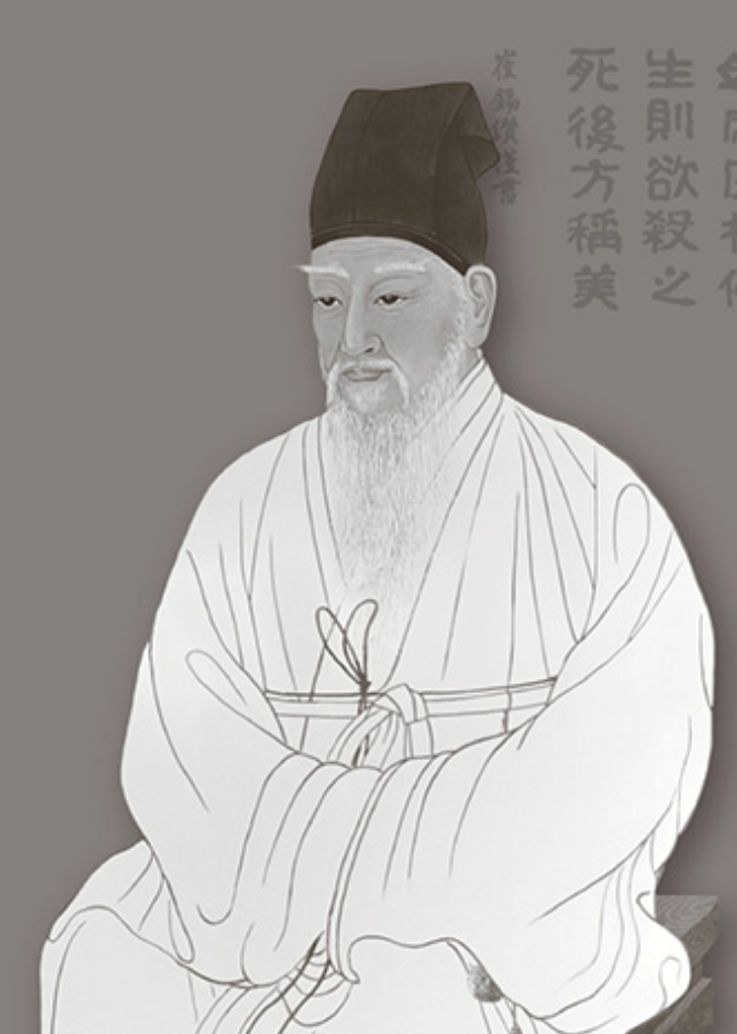
Jo Shik died in 1572. Samsung was founded in 1938. The chain never broke.
South Gyeongsang Province, Korea

If you have wondered why Korea, when so many nations followed the same playbook.
You’ll find the explanation policy and education alone cannot give.
If you are building a culture you want to outlive you.
You’ll see how values travel through families, schools, and communities for centuries.
If you believe your own culture holds wisdom waiting to be used.
You’ll get a model for finding your own Jo Shik.
From the book · the opening pages
Chapter Twelve
South Korea’s economic transformation stands as one of the most remarkable stories in modern history. In 1960, the nation’s GDP per capita was lower than that of many sub-Saharan African countries. Today, South Korea ranks among the world’s most prosperous economies, home to global giants like Samsung, LG, and Hyundai, as well as dozens of other companies that have reshaped industries from electronics to shipbuilding to entertainment. Economists have offered many explanations for this “Miracle on the Han River”: strategic government policy, export-oriented industrialization, investment in education, and favorable international trade conditions. Each explanation captures part of the truth. However, something deeper remains unexplained.
Why Korea? Other nations received similar foreign aid. Other governments pursued export-led growth strategies, and different societies invested heavily in education. Yet few achieved Korea’s extraordinary combination of rapid economic growth, technological innovation, and sustained global market leadership.
In this chapter, we argue that the missing explanation lies five centuries in the past, in the teachings of a Confucian philosopher who never sought government office and who died 400 years before Samsung was founded.
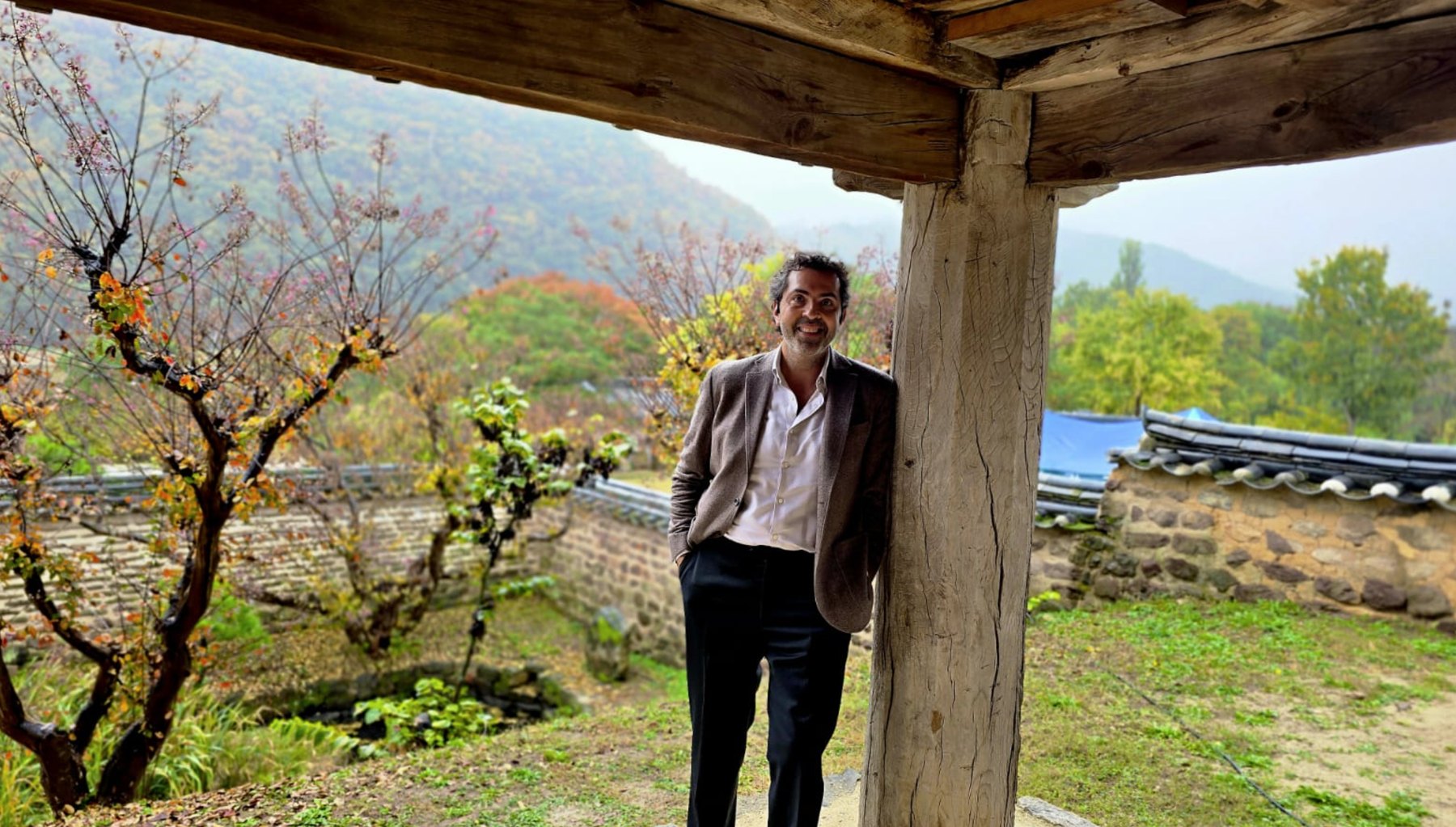
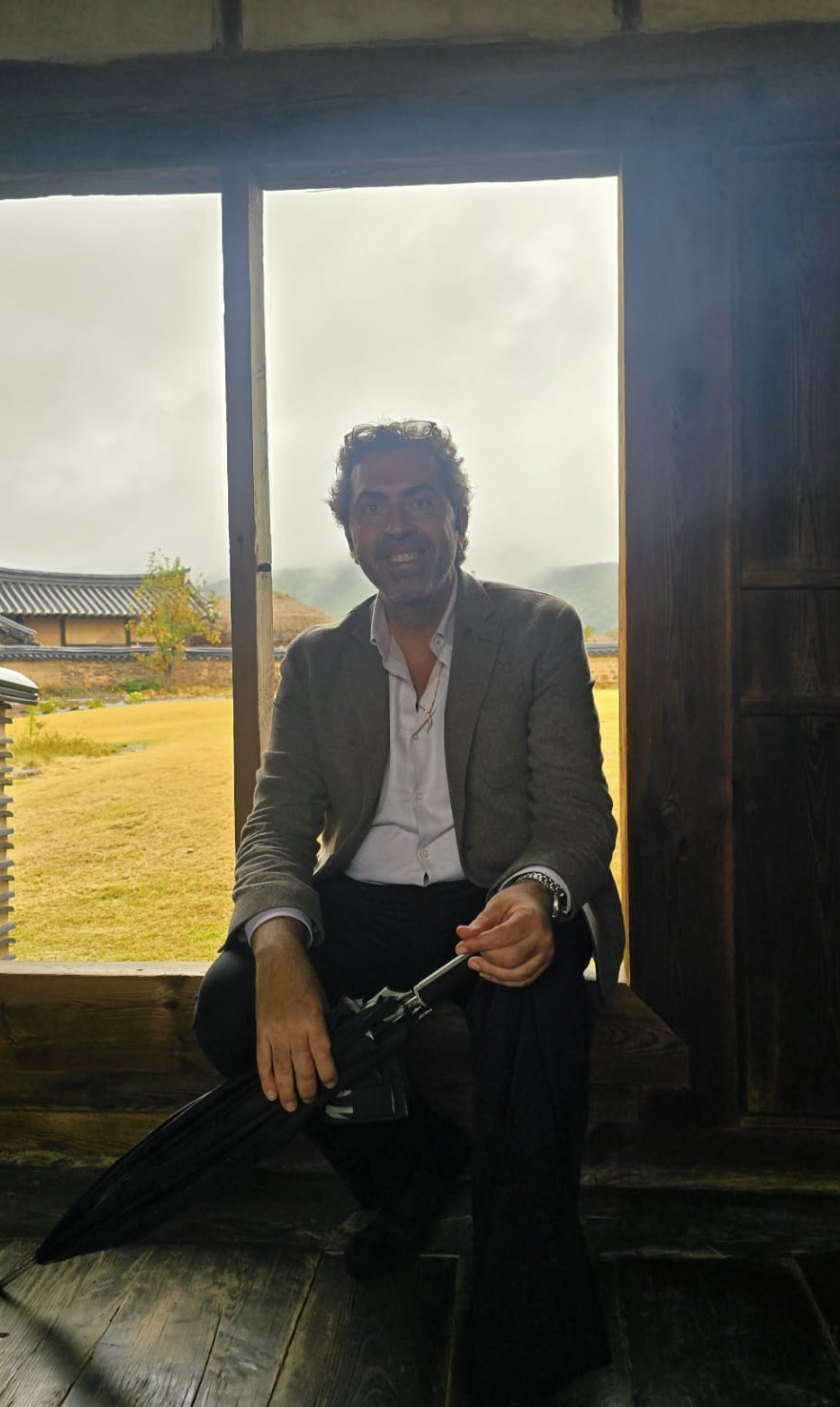
In Korea
Where five centuries of preparation still stand.
Wooden beams, stone walls and tiled roofs: the kind of place where the traditions in this chapter were kept.
The chain of influence
오백 년의 준비
1501–1572
Jo Shik teaches near Jinju
He refuses every government appointment and teaches Gyeong, Ui, and Hahak i Sangdal: inner cultivation, righteous action, learning by doing.
敎
남명의 가르침
義兵
의병
1592
The Righteous Armies rise
Within weeks of the Imjin War invasion, more than seventy militia commanders raise forces in Gyeongsang. Forty-five are Jo Shik’s disciples or students in his lineage.
1608–1623
Commerce becomes a national foundation
His intellectual descendants, the Northerners, try to run the country with commerce and industry as the base of the economy, a revolutionary idea in a Confucian society.
北人
북인
義莊
의장
1885–1943
Righteous wealth
Merchant An Hee-je channels his company’s profits into Korea’s independence movement. Uijang: wealth devoted to a purpose larger than its creator.
20th century
One village school, four global companies
The founders of Samsung, LG, GS, and Hyosung all attended Jisu Elementary School in Seungsan, near Jinju. Some 300 entrepreneurs trace their roots to the region.
智水
지수
晉州
진주
2018
The Capital of Korean Entrepreneurship
The Korea Academic Society of Business Administration designates Jinju. In 2022 the city opens the Jinju K-Entrepreneurship Center.
Leadership created culture. Culture drove performance. For four hundred years.
Styled after Korean najeon: mother-of-pearl inlaid in black lacquer
2025 · THE LINE CONTINUES
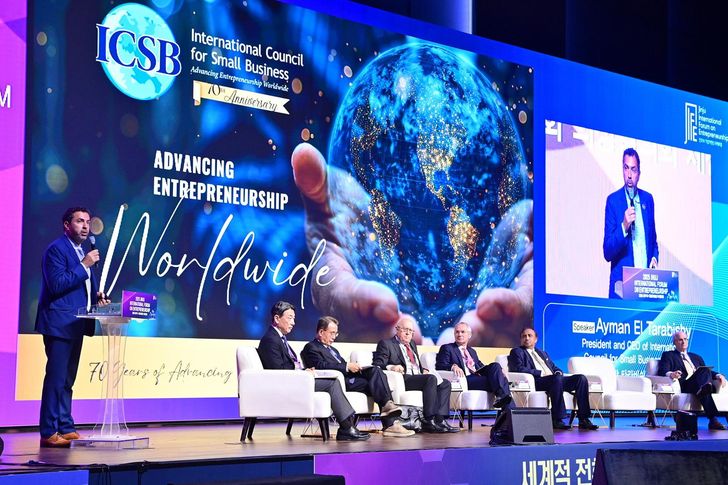
The capital of Korean entrepreneurship hosts the world.
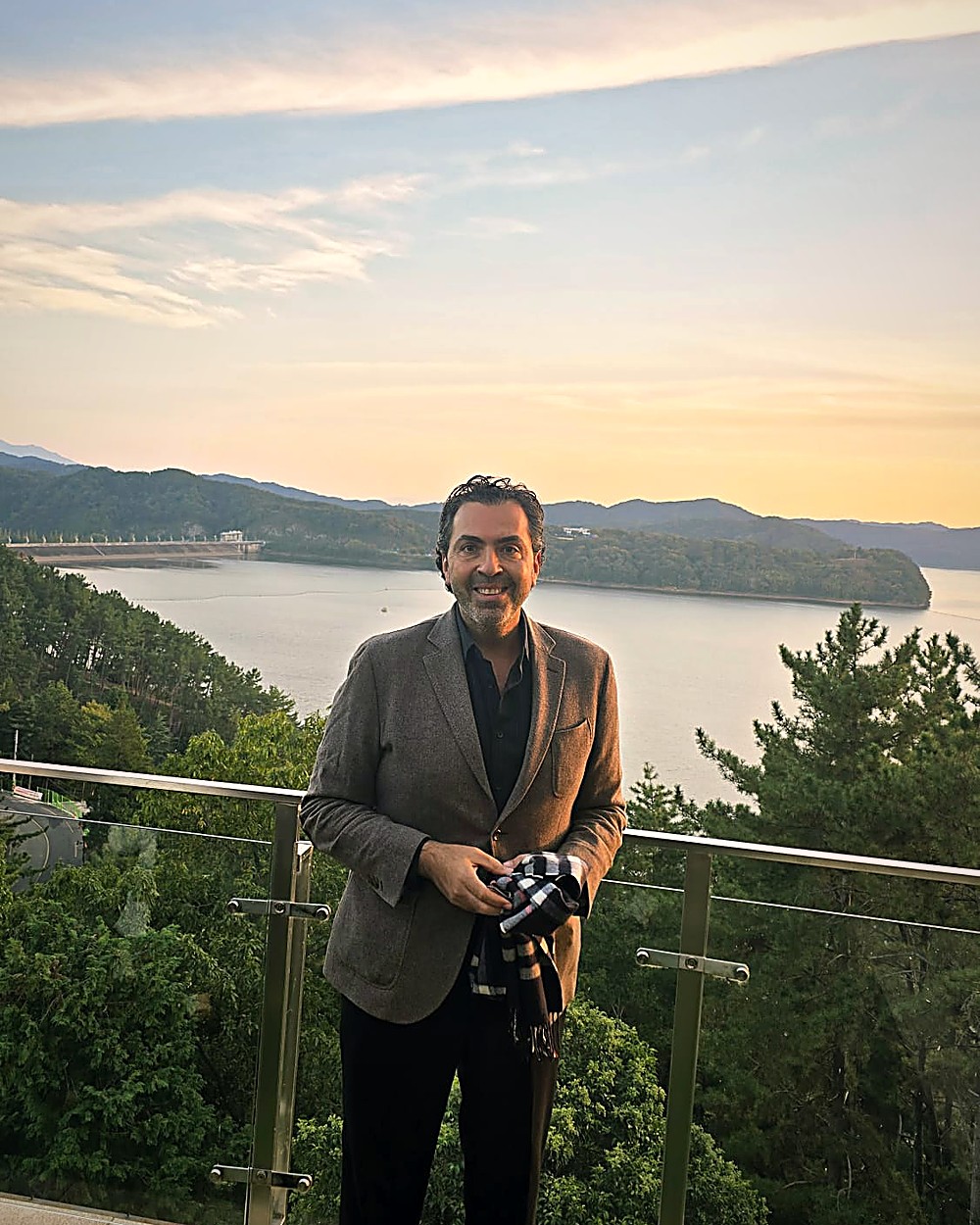
JINJU · LAKE HOUSE HOTEL
Evening above the lake, after the forum.
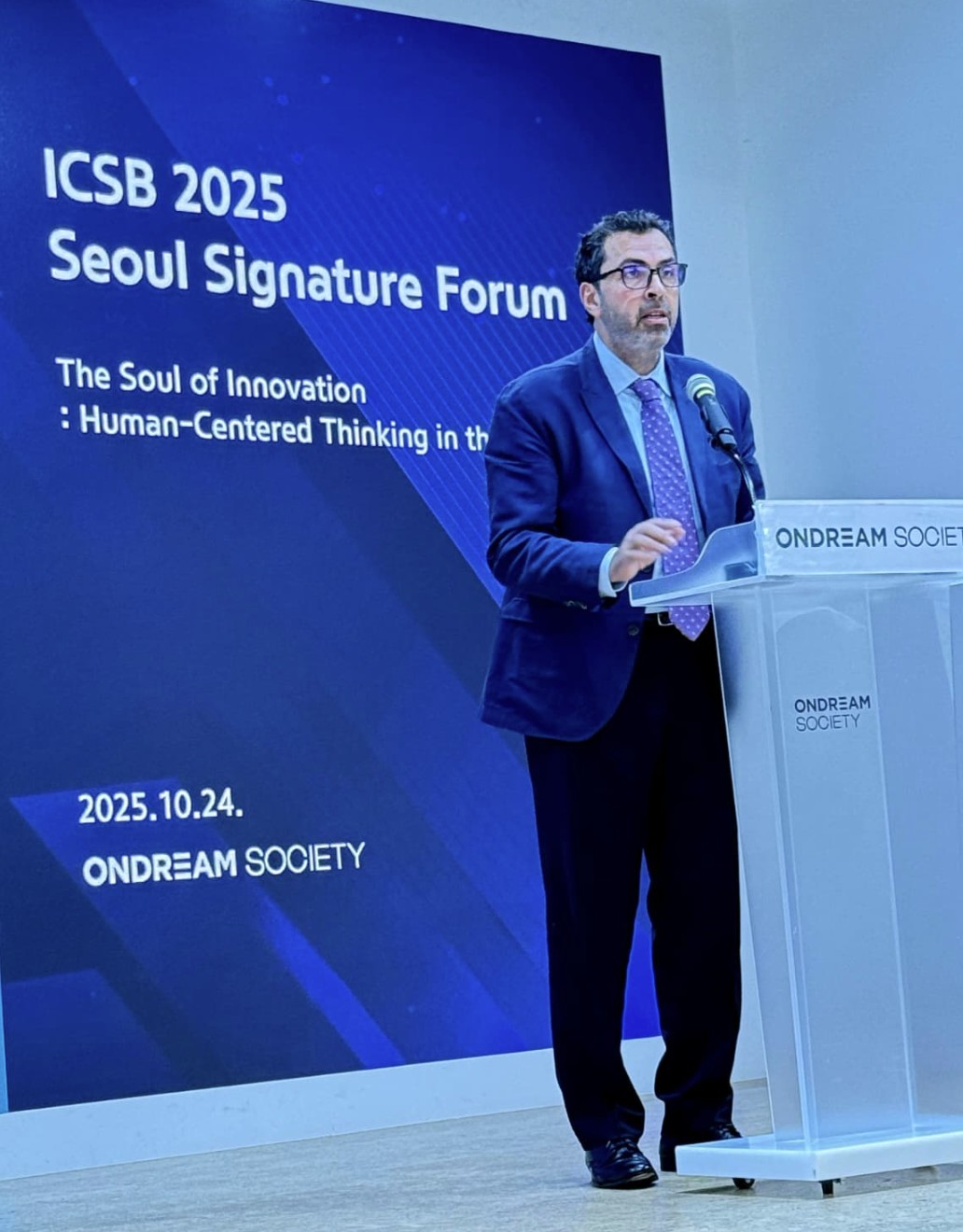
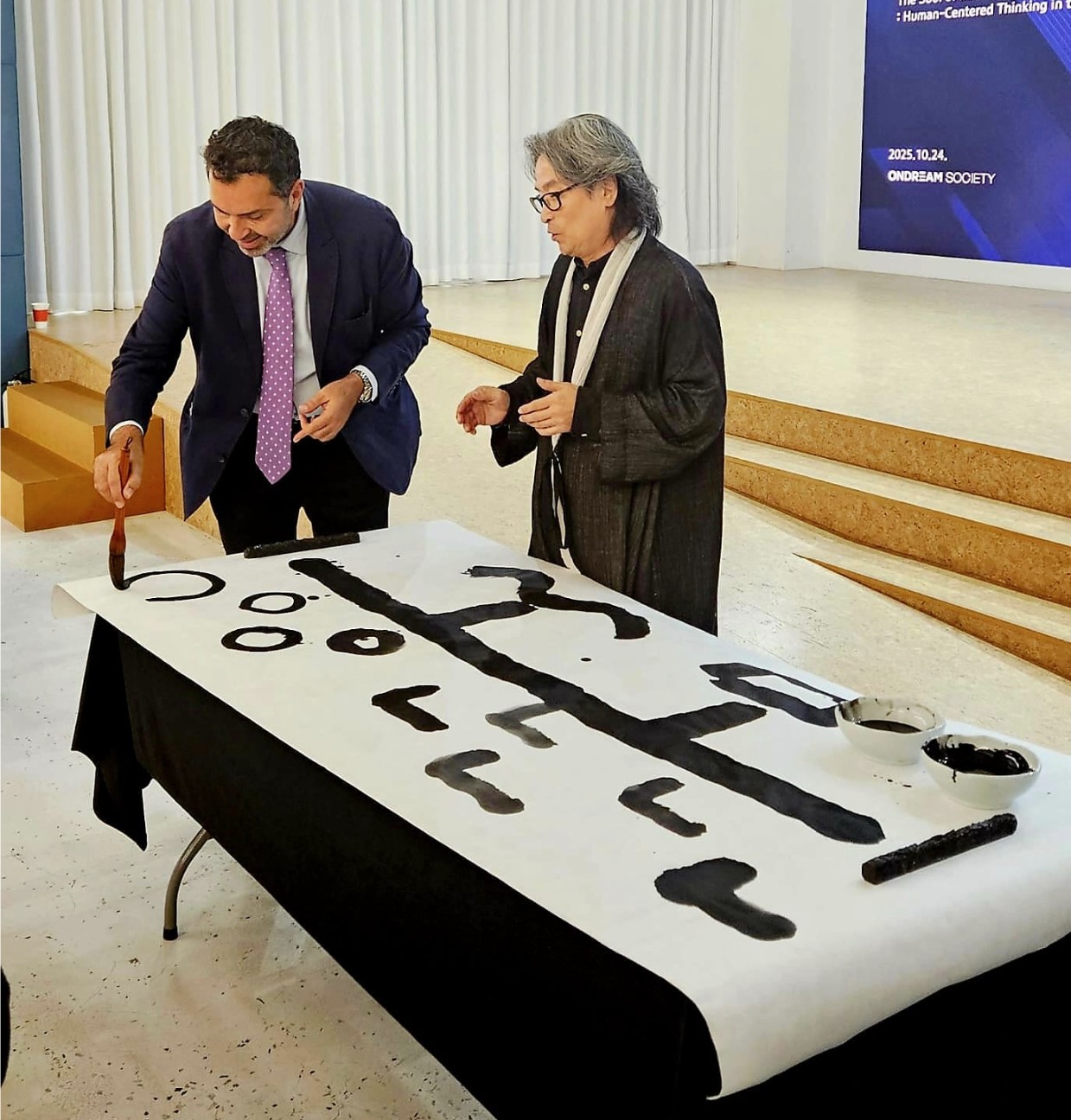
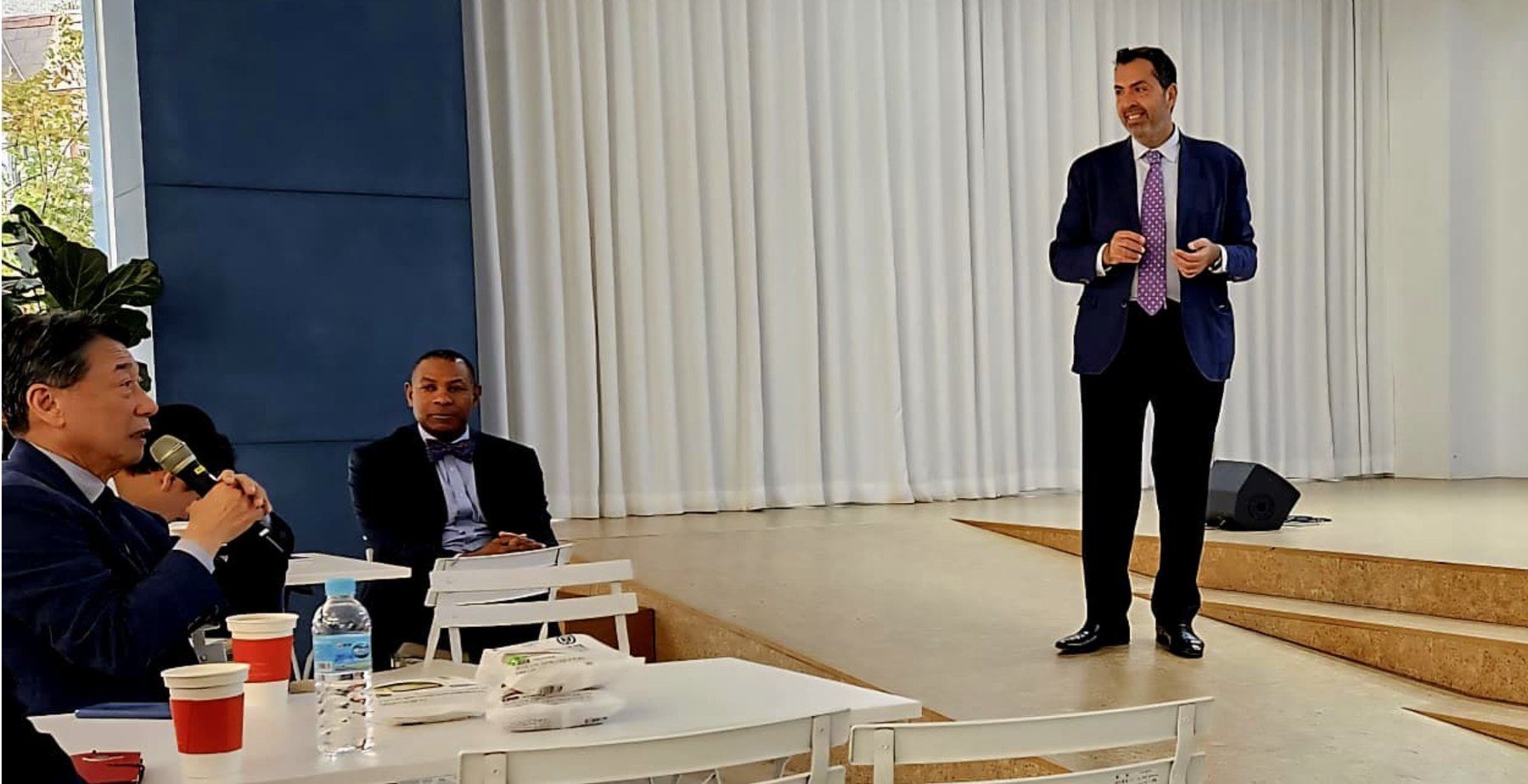
SEOUL · OCTOBER 24, 2025
The Soul of Innovation: human-centered thinking, with the Ondream Society.
Chapter Twelve
{{pg.lead}}
{{pg.bold}}
{{pg.big}}
— {{pg.sign}}
Turn the page
About the authors

President and CEO, ICSB · Teaching Professor of Management, George Washington University School of Business
Ayman ElTarabishy is President and CEO of the International Council for Small Business and Editor-in-Chief of the Journal of Small Business Management. With Ki-Chan Kim, he co-founded the theory of human-centered entrepreneurship, and he co-edited this book. He led the creation of UN MSMEs Day, observed every June 27.
Full author profile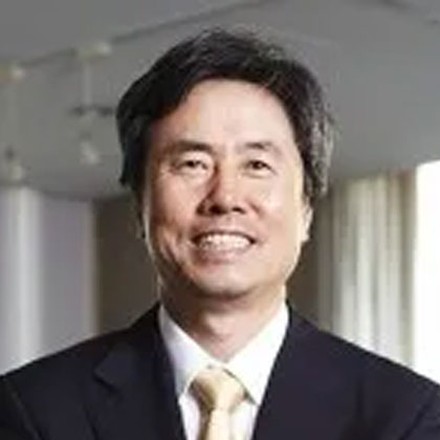
Professor of Business Administration, The Catholic University of Korea
Ki-Chan Kim is Professor of Business Administration at The Catholic University of Korea in Seoul. With Ayman ElTarabishy, he co-founded the theory of human-centered entrepreneurship, and he co-edited this book.
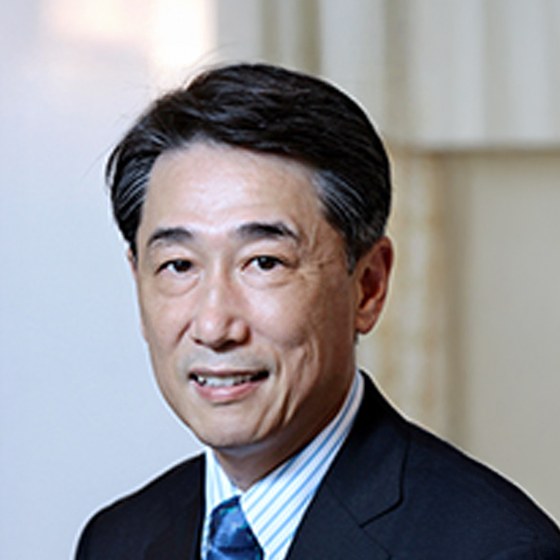
Eminent Scholar Professor of United Nations Studies, Kyung Hee University
Oh Joon is Eminent Scholar Professor of United Nations Studies at Kyung Hee University in Seoul. He was Korea’s Ambassador to the United Nations from 2013 to 2016 and served as the 71st President of the UN Economic and Social Council (ECOSOC). He chairs Save the Children Korea and sits on the board of Save the Children International.
Where to go next
Beyond the Chapter
The printed text stays as written. New research, videos, and cases from the authors appear here, dated and reviewed by the editors.
No updates yet.
For discussion
ElTarabishy, A., Kim, K.-C., & Oh, J. (2027). Five centuries of preparation: Jo Shik, Jinju, and the making of Korea’s global entrepreneurs. In A. ElTarabishy & K.-C. Kim (Eds.), Human-Centered Entrepreneurship (pp. 179–194). Edward Elgar Publishing.