Chapter Thirteen
Five ideas to carry with you
{{pg.lead}}
{{pg.bold}}
{{pg.big}}
— {{pg.sign}}
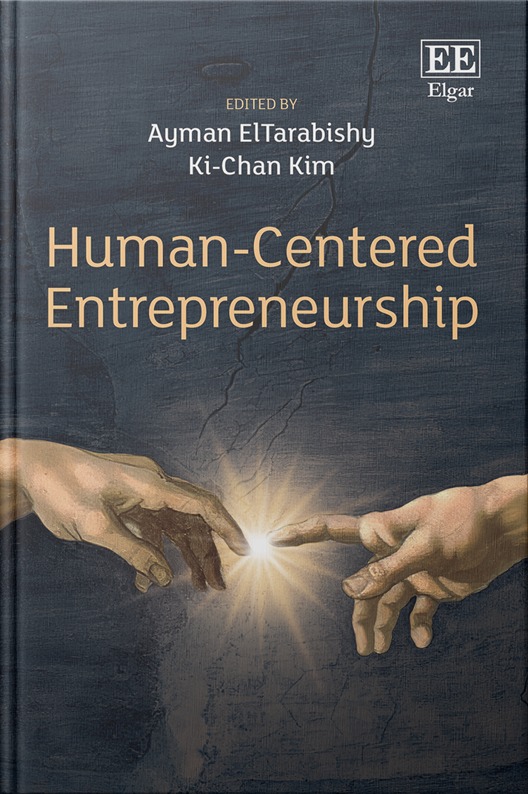
Human-Centered Entrepreneurship
ElTarabishy & Kim · Edward Elgar
Ayman ElTarabishy
What this chapter is about
The merchant does not begin with the price. He begins with the greeting.
From Chapter 13 · Ayman ElTarabishy
Dignity
Karama · not an achievement, but a birthright
The merchants
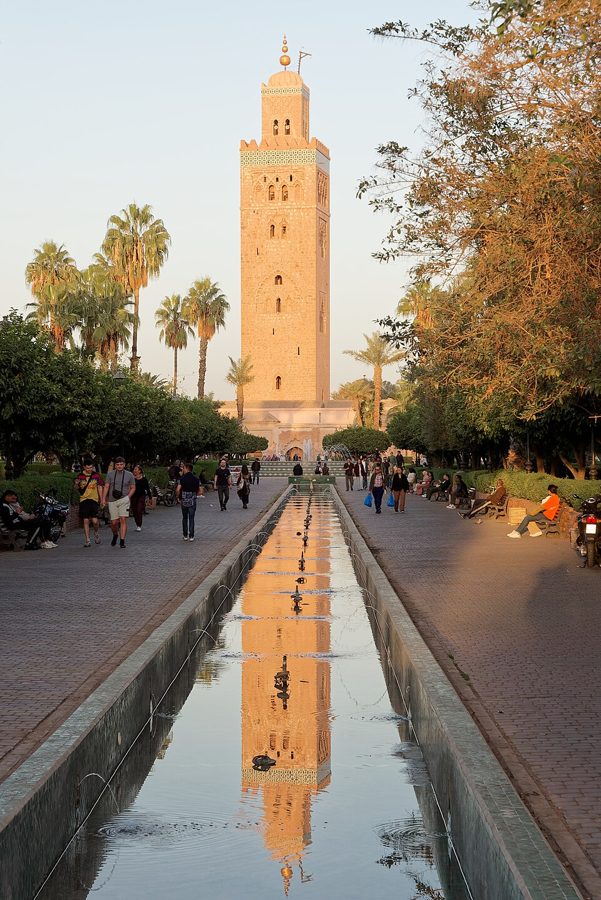
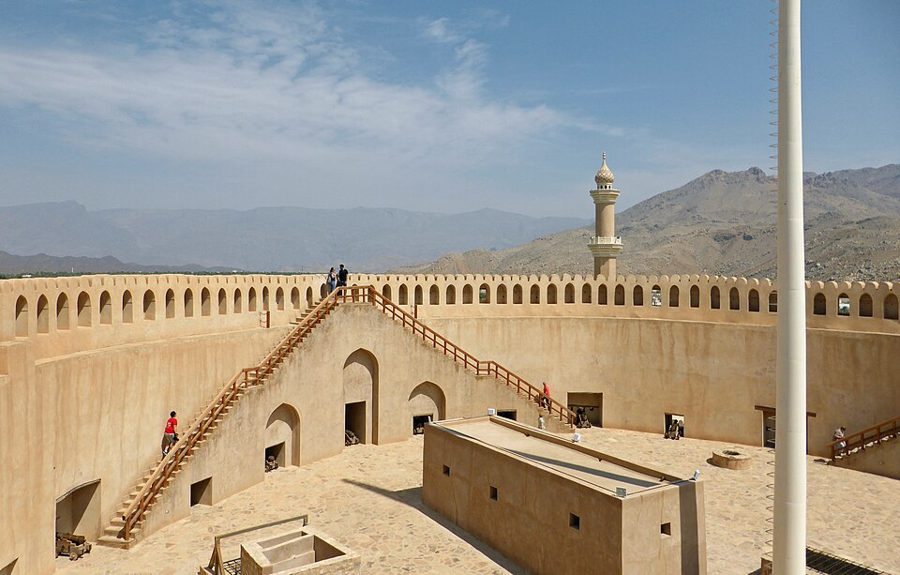
From Cairo to Marrakech, Muscat, Damascus and Doha: the souks where trust still comes first and trade follows.
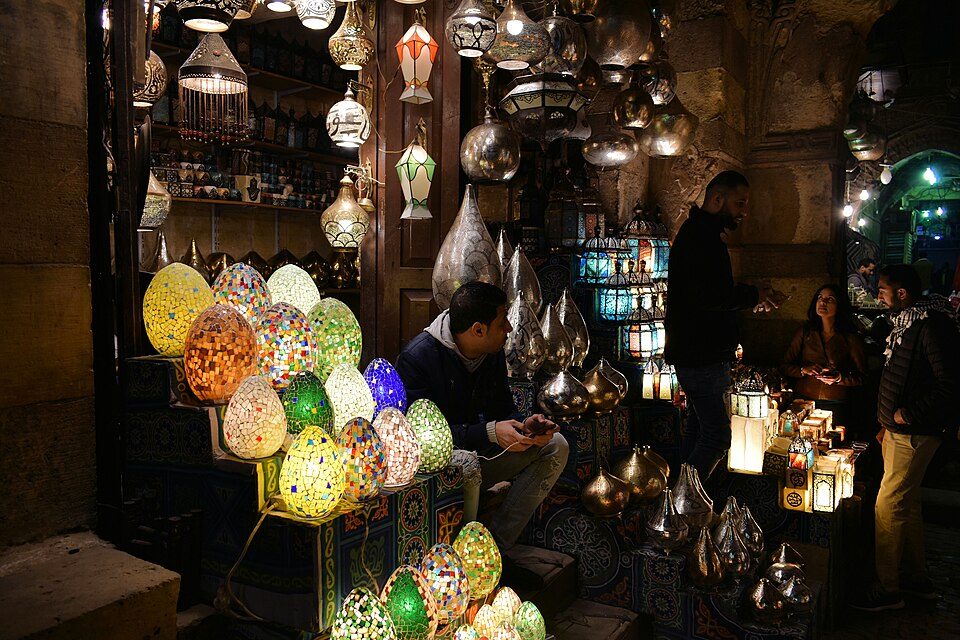
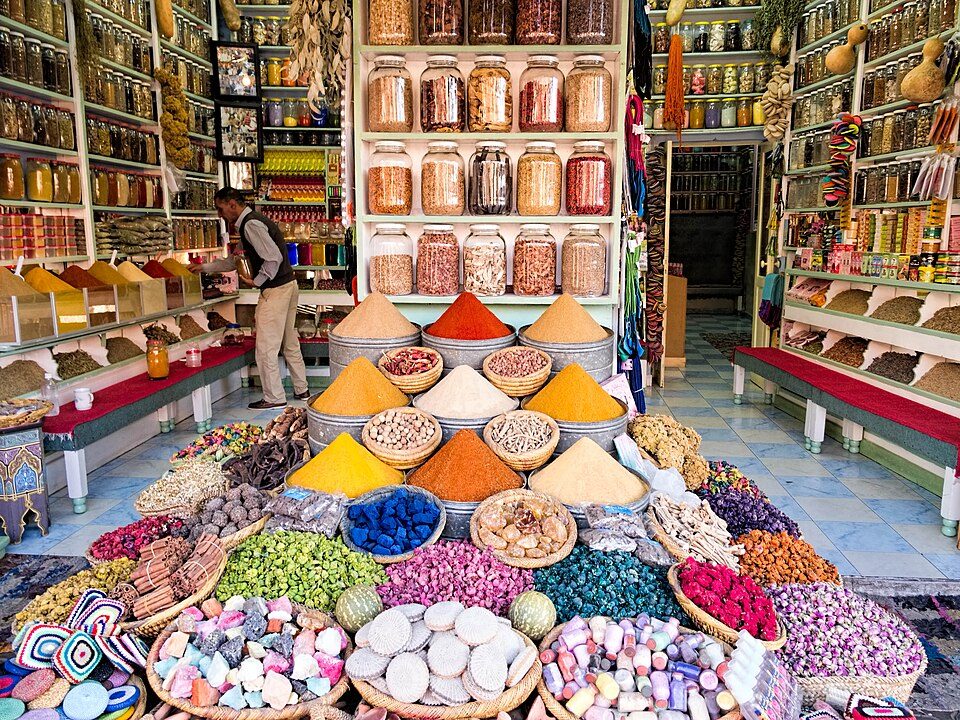
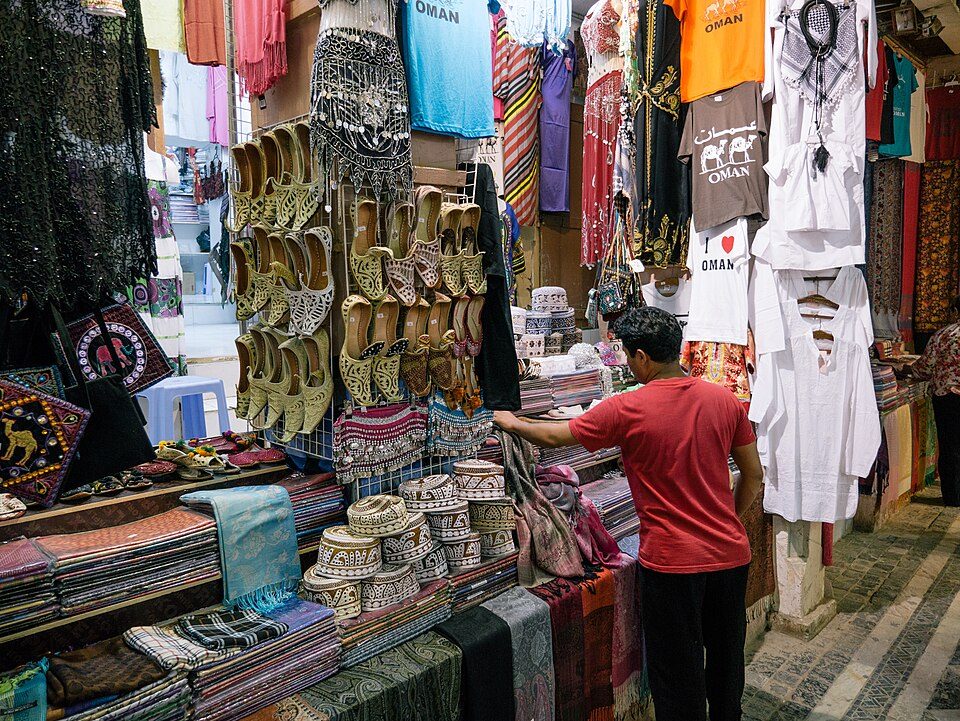
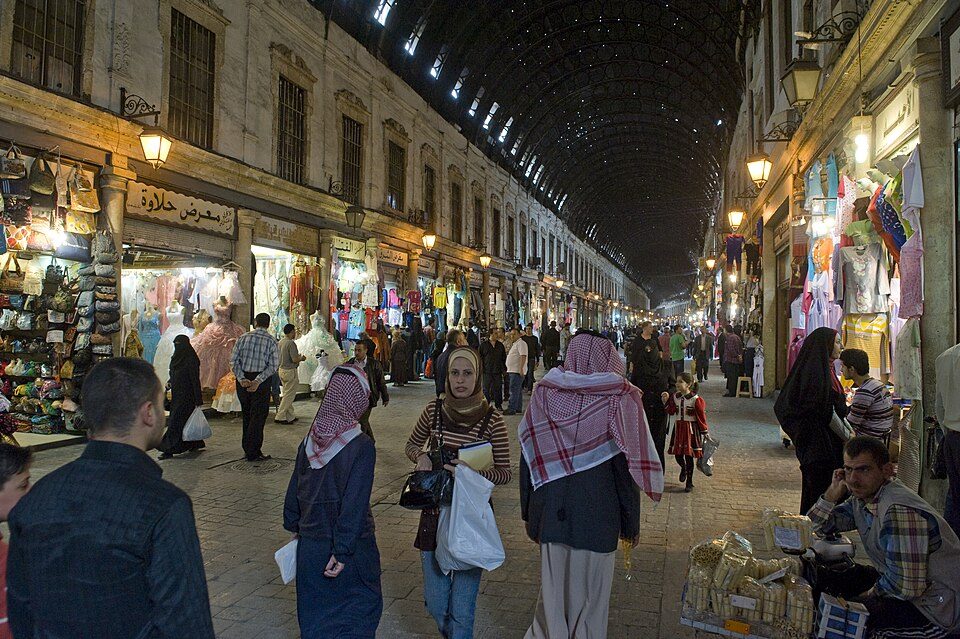
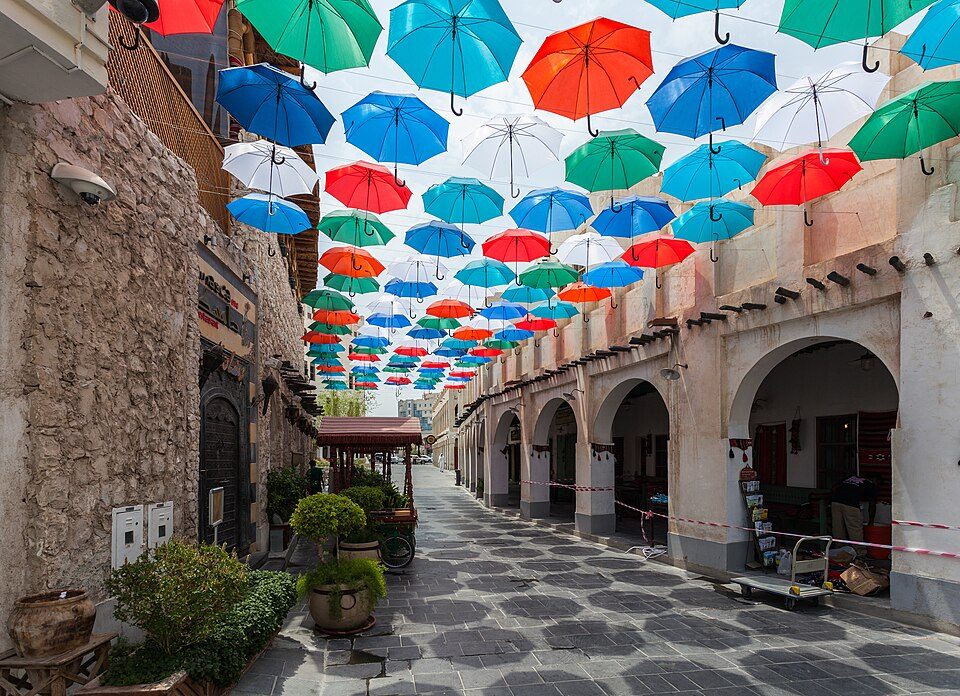
Photographs via Wikimedia Commons: Cairo, Magoopic, CC BY-SA 4.0; Marrakech, Dan Lundberg, CC BY-SA 2.0; Muscat, Juozas Šalna, CC BY 2.0; Damascus, Dosseman, CC BY-SA 4.0; Doha, Diego Delso, CC BY-SA 3.0.
If you work in the Arab world and keep importing frameworks that never quite fit.
You’ll see the region’s own architecture of human dignity, and why CSR arrived as a mismatch.
If you believe the relationship comes before the transaction.
You’ll find the logic of the souk named: hospitality first, then trust, then trade.
If you want to see a desert become a farm, a school, and a hospital.
You’ll follow Sekem in Egypt, from 70 hectares of sand to a change in national policy.
From the book · the opening pages
The souk
Chapter Thirteen
Walk into any souk in the Arab world, in Marrakech or Damascus, in Cairo or Muscat, and you will find something that no business school has ever successfully taught: commerce as relationship. The merchant does not begin with the price. He begins with the greeting, the tea, the question about your family, and the unhurried recognition of you as a person before you are a customer.
This is not inefficiency. It is not a charm deployed for commercial advantage. It is a civilization’s understanding, expressed in 10,000 daily transactions, that the human connection is the precondition of the economic one, that trust is not a means to trade but its foundation, and that the dignity of the person across the counter is not a courtesy to be extended but a premise to be honored.
The architecture of human dignity
A civilization built these institutions centuries before anyone said “human-centered.” Choose a pillar, or the keystone that holds them together.
{{cur13.head}}
{{cur13.body}}
In a business today: {{cur13.today}}
In daily life
Hospitality
Diyafa
You do not transact with strangers. You build a relationship first; from that relationship, trust emerges.
EmpathyTeaching
Taʿlim · teaching as a sacred trust
In Arab culture, enablement is not a management philosophy. It is a way of being.
EnablementTrusteeship
Khalifa
A leader who understands themselves as a trustee does not hoard decision-making authority; they distribute it.
EmpowermentCommunity
Ummah
Mutual guarantee
Takaful
Cooperation
Taʿawun
The arch stands because every stone supports every other. These are the arch in institutional form.
The case · Sekem, Egypt
He did not import a framework. He recovered one that was already present in the tradition within which he had been formed.
1977
Seventy hectares of desert
Ibrahim Abouleish, an Egyptian pharmacologist, stands on barren land northeast of Cairo and sees wells, trees, houses, and working people.
The plan
A farm. Then a kindergarten.
A school. A hospital. Cultural institutions. His goal was the development of humans in a comprehensive sense.
A meeting in a room
Hostility turns to tears
When rumors spread against Sekem, he invites the sheikhs, imams, and officials, and shows them from their own sacred text that the work is not foreign. They leave a plaque in golden calligraphy. It still hangs at the school’s entrance.
National change
No more pesticide spraying on cotton
Sekem persuades the Egyptian government to eliminate pesticide spraying from all cotton cultivation in the country.
2003
Right Livelihood Award
Recognized for showing how a modern business can combine profitability with a humane approach to people and respect for the environment.
2025
Where ancient wisdom meets modern sustainability
A living model of holistic development, with a Guest House welcoming visitors from around the world.
Four States diagnosis
Ideal
The other Egyptian
Another founder returned with equal vision and equal character, and did not succeed. He lacked the network, the scaffolding, and the access to resources.
Vision and character are necessary. They are not sufficient.
One tradition, twenty-two nations
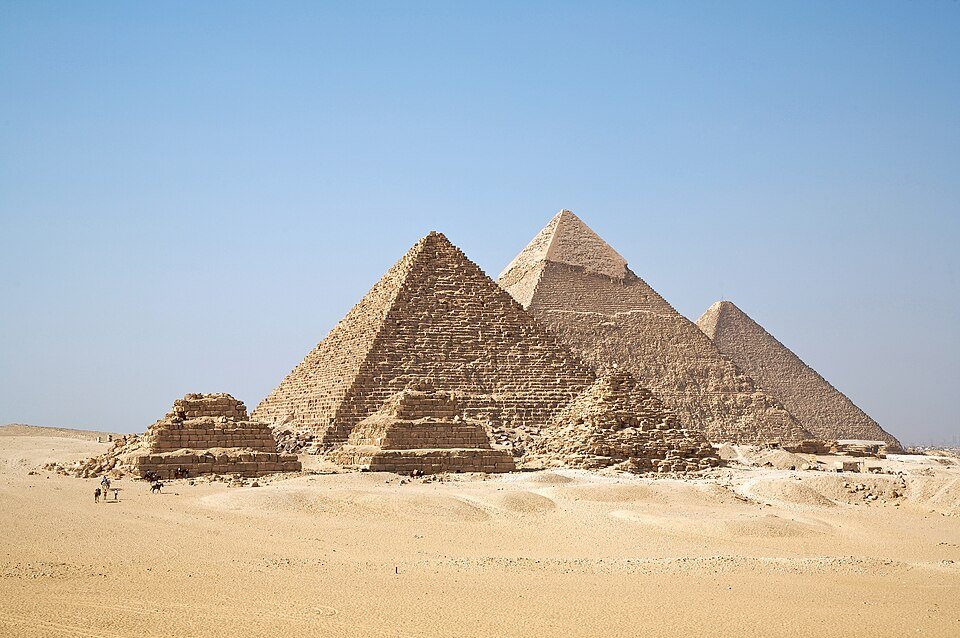
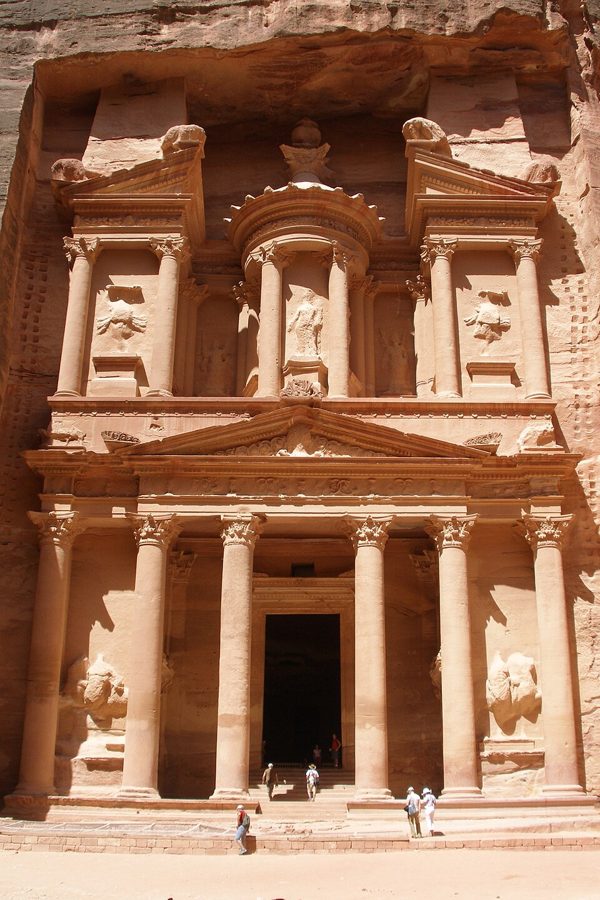
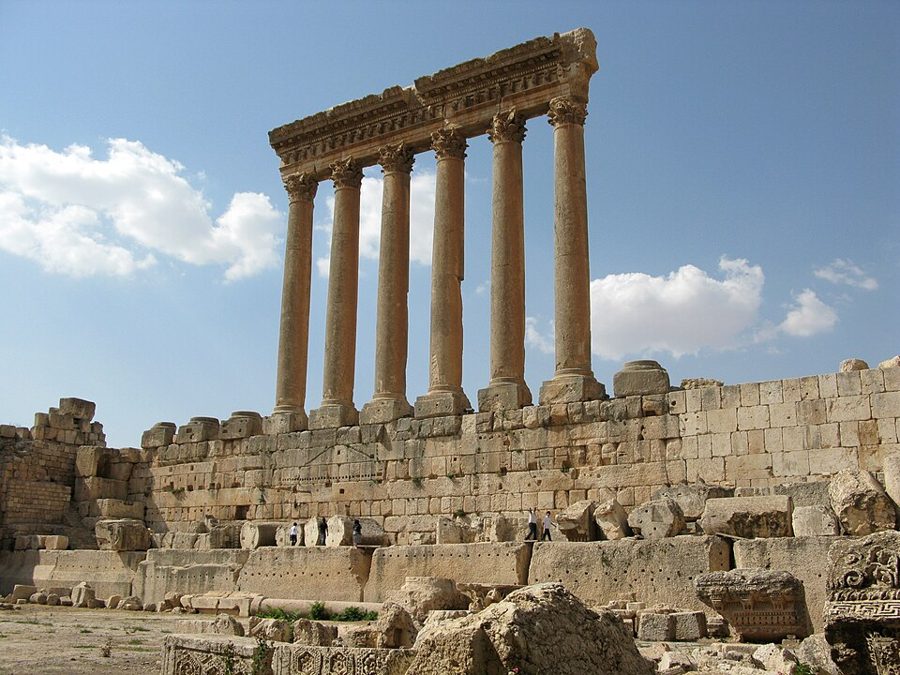
From the Atlantic to the Gulf, from Egypt to Jordan, the Levant to the Maghreb: karama, zakat, waqf and shura are a common vocabulary across the breadth of the Arab world.
What is at stake
22
Arab nations, each with its own history and its own relationship to a shared tradition.
The Arab world
~3 in 4
People across the region who view entrepreneurship positively.
GEM, 2017; Aminova, 2019
~110M
Young people aged 15 to 29, more than 30 percent of the population, entering labor markets without enough opportunities.
Abdou et al., 2010
40% / 35%
Share of regional wealth held in carbon versus in human capital across MENA.
World Bank, 2018
Gibran himself was Lebanese. The Prophet was written in a Boston apartment. The tradition travels.
Chapter Thirteen
{{pg.lead}}
{{pg.bold}}
{{pg.big}}
— {{pg.sign}}
Turn the page
About the author
President and CEO, ICSB · Teaching Professor of Management, George Washington University School of Business
Ayman ElTarabishy is President and CEO of the International Council for Small Business and Editor-in-Chief of the Journal of Small Business Management. With Ki-Chan Kim, he co-founded the theory of human-centered entrepreneurship, and he co-edited this book. He led the creation of UN MSMEs Day, observed every June 27.
Where to go next
Beyond the Chapter
The printed text stays as written. New research, videos, and cases from the authors appear here, dated and reviewed by the editors.
No updates yet.
For discussion
ElTarabishy, A. (2027). Human-centered approach in the Arab world. In A. ElTarabishy & K.-C. Kim (Eds.), Human-Centered Entrepreneurship (pp. 195–205). Edward Elgar Publishing.