Professor of Business Administration, The Catholic University of Korea, Seoul · Immediate Past Chair, International Council for Small Business
Human-Centered Entrepreneurship (HCE) begins with a simple proposition: people are not the means of enterprise.From chapter I
Empathy without Enablement is sentiment without substance; employees may feel cared for, but cannot perform at higher levels.From chapter XI
Building an entrepreneurial culture is always a multi-generational project.From chapter XII
Philosophical education, not just technical training, creates the conditions for entrepreneurial success.From chapter XII
About
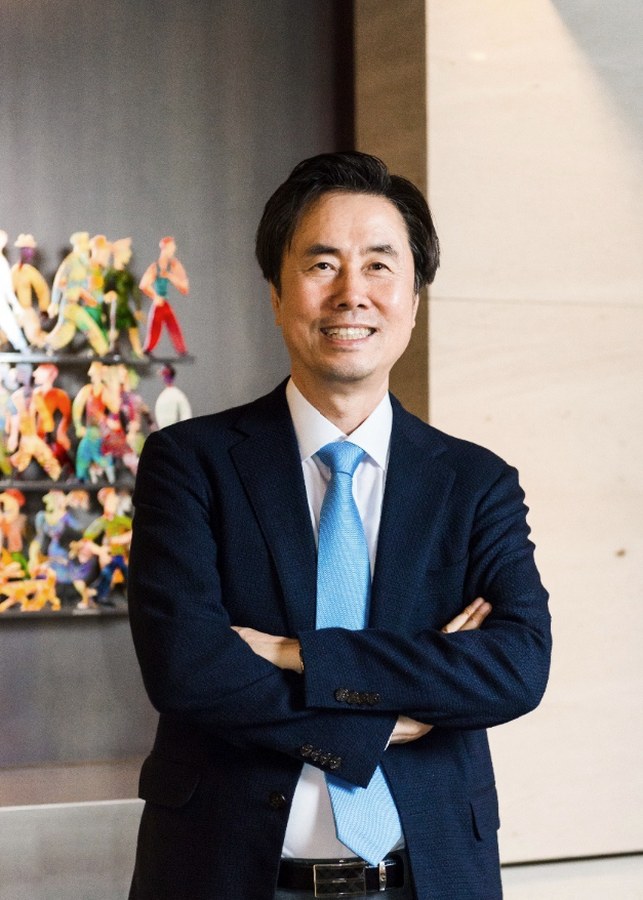
Ki-Chan Kim is a professor of business administration at The Catholic University of Korea and Immediate Past Chair of the International Council for Small Business (ICSB). A global leader in humane entrepreneurship, he helped introduce the initiative during his ICSB presidency in 2016. Since they met in 2009, Kim and Ayman ElTarabishy have worked together to develop its scholarly foundations and bring it into conversations with business leaders and policymakers about how enterprises can grow by investing in people.
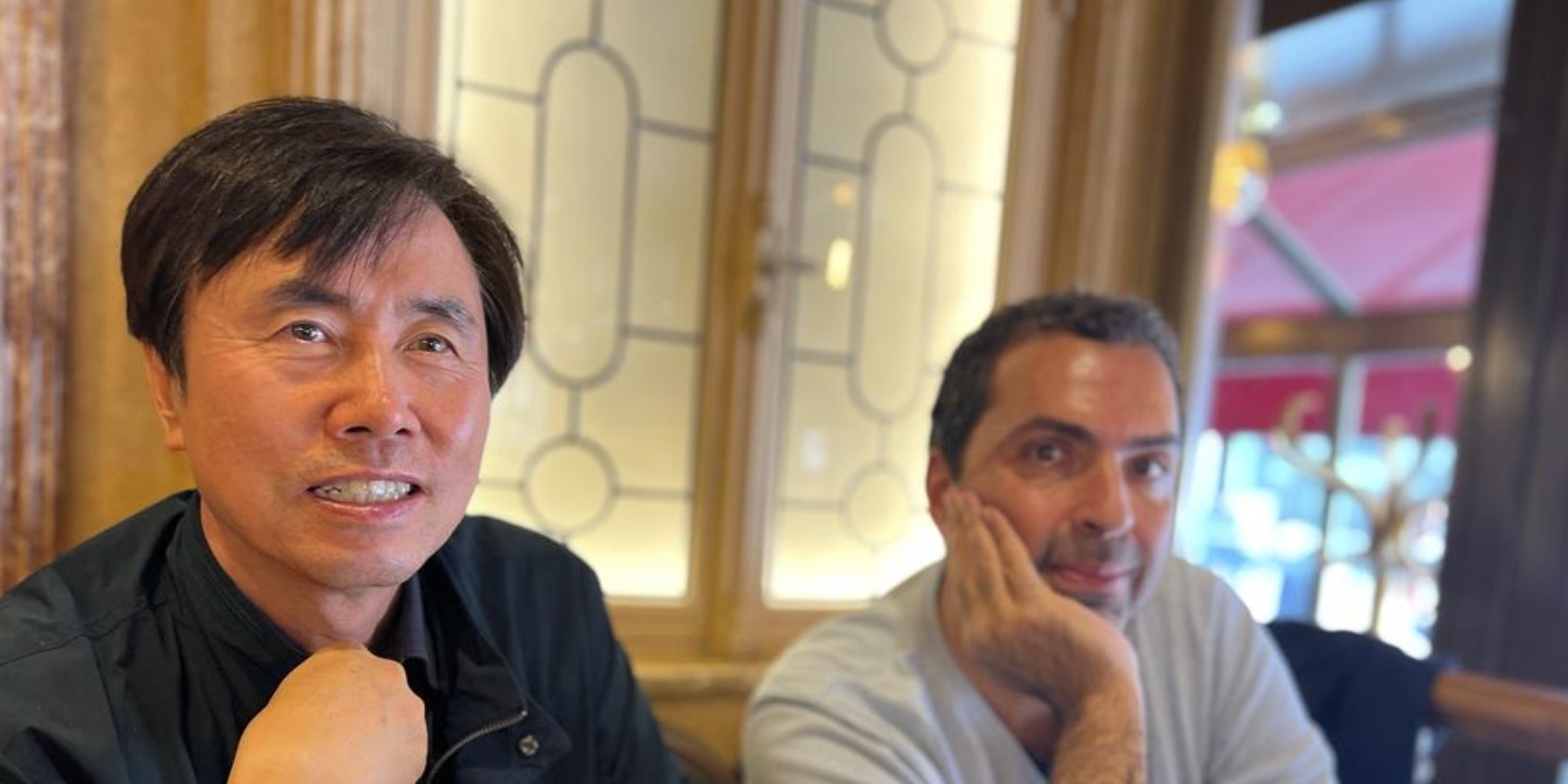
Ki-Chan Kim and Ayman ElTarabishy. They have worked together since 2009.
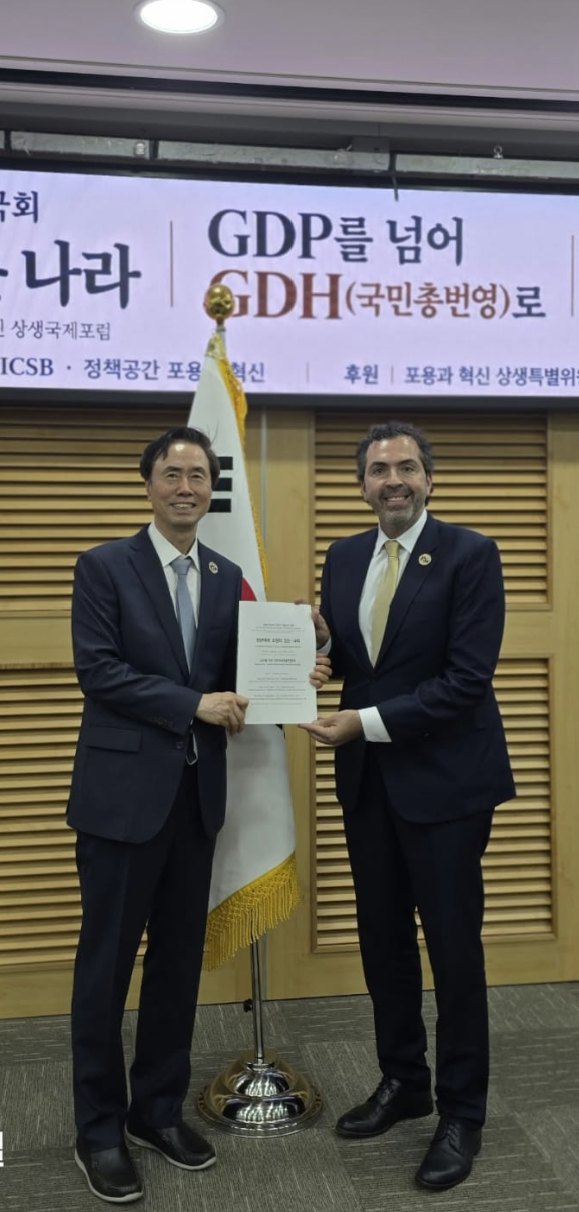
Kim convened the 2018 Humane Entrepreneurship conference in Seoul, bringing together researchers and United Nations leaders, and spearheaded the 2025 forum at Korea’s National Assembly, where ElTarabishy delivered the opening remarks. Together, they studied the turnaround of DGB Life Insurance to understand how people-centered management works in an established enterprise. They also developed Gross Domestic Humanity (GDH), extending their collaboration to how economies measure entrepreneurial activity alongside human flourishing.
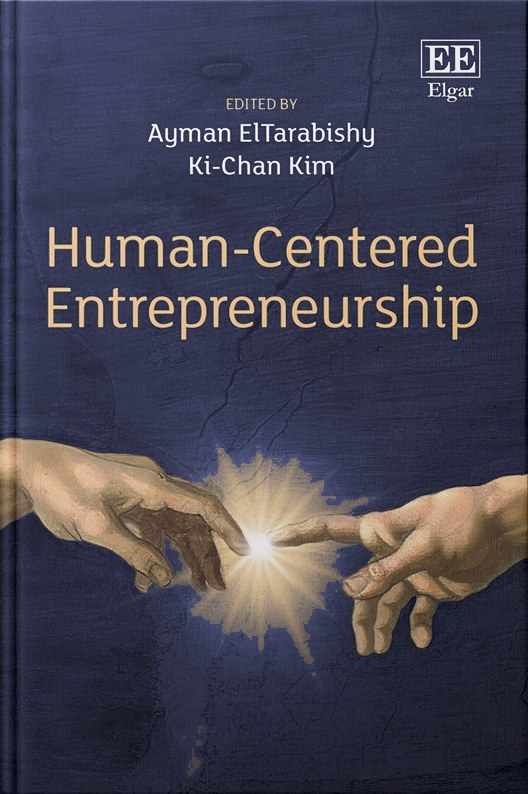
Their co-edited volume, Human-Centered Entrepreneurship, brings together cases from seven countries. Organized around Empathy, Enablement, and Empowerment, the book shows how leaders can put those principles into practice in the decisions they make about people, work, and growth.
Along the way
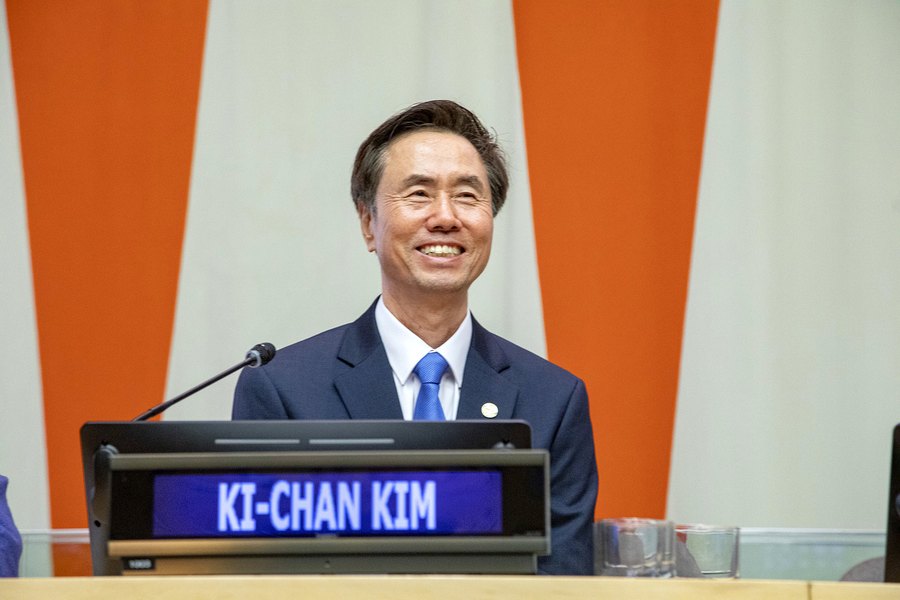
At the United Nations.With Ayman ElTarabishy at the forum on GDH at Korea’s National Assembly.
Where to find Ki-Chan in the book
Start here · Chapter I · p. 1
Human-centered entrepreneurship
From ancient wisdom to modern practice
The organizations that put people at the center did not just perform better. They endured.
Immediate Past ChairICSBPresident of ICSB in 2016, when he introduced humane entrepreneurship.
FounderHumane entrepreneurshipThe research domain that grew into human-centered entrepreneurship.
ICSB Fellow2025Named an ICSB Fellow for his contribution to the field.
ConvenerSeoul, 2018 and 2025The Humane Entrepreneurship conference in 2018 and the forum at Korea’s National Assembly in 2025.
Selected work
2027Human-Centered Entrepreneurship, co-edited with Ayman ElTarabishy. Edward Elgar Publishing
2022El Tarabishy, A., Hwang, W. S., Enriquez, J. L., and Kim, K.-C. “The empirical performance of humane entrepreneurship.” Journal of the International Council for Small Business, 3(1)
2021Kim, K.-C., Hornsby, J. S., Enriquez, J. L., Bae, Z.-T., and El Tarabishy, A. “Humane Entrepreneurial Framework: A model for effective corporate entrepreneurship.” Journal of Small Business Management, 59(3)
2018Kim, K.-C., ElTarabishy, A., and Bae, Z.-T. “Humane entrepreneurship: How focusing on people can drive a new era of wealth and quality job creation in a sustainable world.” Journal of Small Business Management, 56(S1)
2018Kim, K.-C., Bae, Z.-T., Enriquez, J. L., and Song, C. S. “International comparison of humane entrepreneurship: Status, typology and policy implications.” Journal of Small Business Innovation, 20(4)
 Co-editor · Four chapters